
If you use a septic system, the safest everyday choice is septic safe bath tissue that breaks down quickly, avoids dyes and fragrance, and stays thin enough to move through the tank without building sludge.
In most homes, that means a fast-dissolving 1-ply option or a tested 2-ply option, not thick ultra-plush toilet paper. Good examples include Sempo, Scott 1000, Angel Soft, Seventh Generation, and bamboo-based bath tissue such as Caboo.
- ✔
Fast dissolving matters more than softness when you rely on a septic tank. - ✔
1-ply usually breaks down faster than 3-ply or quilted tissue. - ✔
Fragrance, lotion, and heavy dyes can add unnecessary risk. - ✔
The shake test gives you a simple at-home check. - ✔
Flushable wipes are not the same as septic safe bath tissue.
What Is Septic Tank Safety Toilet Paper?
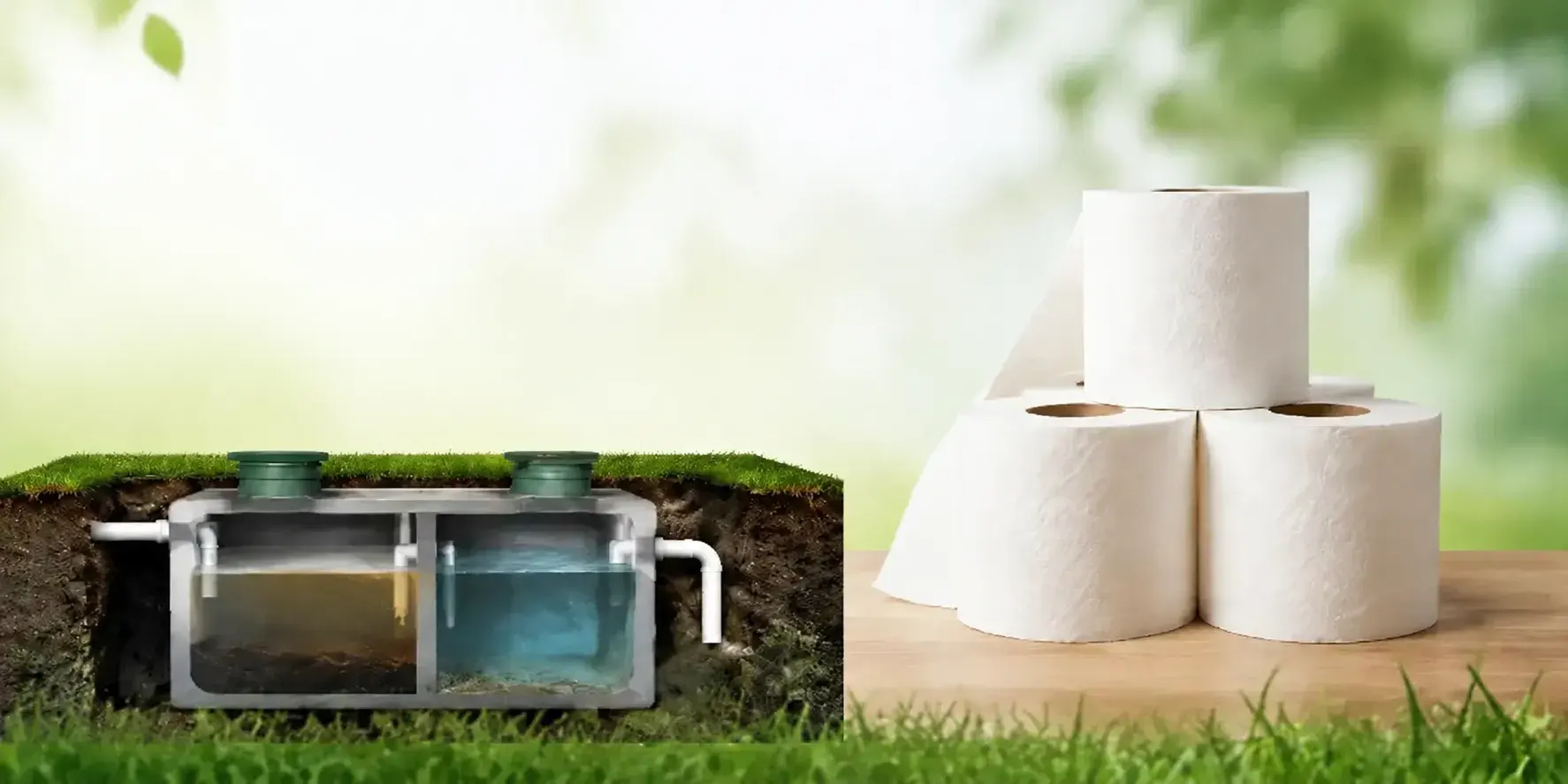
Septic safe bath tissue is toilet paper that disintegrates fast enough to reduce clogs, protect the tank’s bacterial balance, and limit buildup in the drainfield. It is not about a marketing label alone. It is about how the paper behaves once it reaches water.
You want tissue that separates into small fibers quickly. Because septic tanks depend on natural bacteria to break down waste. When paper holds together too long, it can stay in the tank, add solids, and force your system to work harder. Over time, that can raise the risk of backups and pumping costs.
Why Choose Fast-Degrading Toilet Paper?
Fast breakdown helps your septic system move waste the way it was designed to move. Thinner tissue generally starts falling apart sooner, which is why plumbers often recommend simpler, lighter paper for septic homes.
A thick, soft roll may feel better in the hand, but comfort is not the main issue in a septic system. If you want to compare options, look at ply count first, then check whether the tissue is fragrance-free, dye-free, and tested for rapid disintegration.
What The Tank Needs From Your Toilet Paper
Your septic tank needs paper that does not sit intact for too long. The faster it breaks into small pieces, the lower the chance of sludge buildup. That is why septic safe bath tissue is a practical choice for rural homes, older systems, and households that want fewer service issues.
If you are also sourcing paper for private label or retail shelves, this is where product structure matters. Sheet strength, fiber type, and embossing can all affect how the tissue behaves after flushing.
How To Choose The Right Toilet Paper For A Septic System
To choose the right toilet paper for a septic system, start with fast breakdown, low additives, and the correct ply structure. A good septic safe bath tissue should dissolve quickly in water, leave fewer solids in the tank, and avoid chemicals that may interfere with natural bacterial activity.
For home use, you can begin with a simple rule: avoid thick, scented, quilted, or lotion-treated paper. For commercial sourcing, the decision should be more technical. You need to compare sheet strength, water dispersibility, fiber source, roll length, embossing depth, and packaging format. Liansheng Sempo supports these specification choices for buyers who need septic-friendly bath tissue for retail shelves, institutional supply, or private label tissue programs.
Start With Ply Count
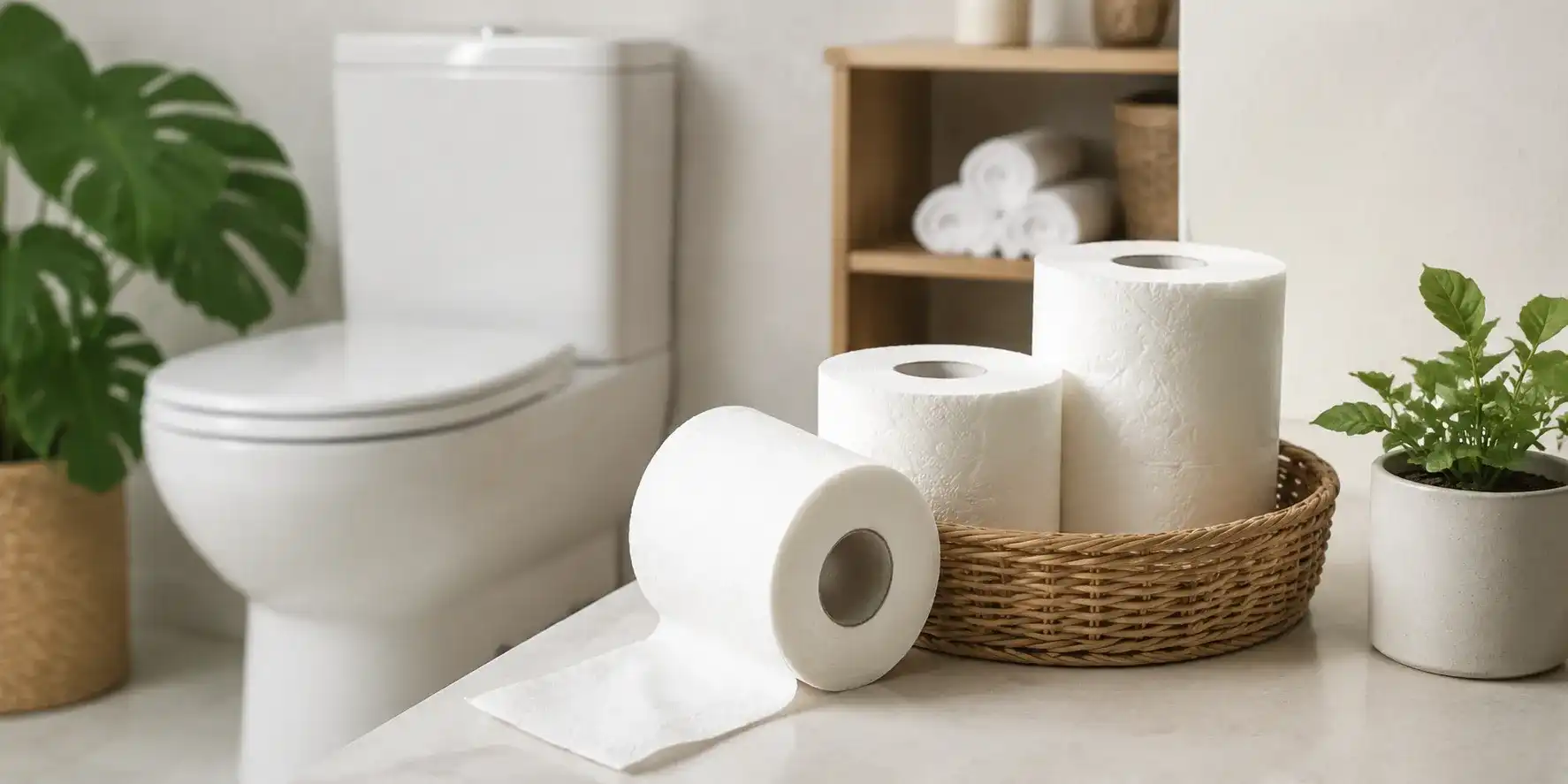
1-ply toilet paper usually breaks down faster than thick 3-ply paper, which makes it a safer choice for older septic systems, rural homes, RV parks, and high-use bathrooms. A light 2-ply tissue can also work if it is tested for fast disintegration.
Liansheng Sempo can produce both 1-ply and 2-ply bath tissue options depending on your market needs. If your customers care most about septic safety, a fast-dissolving 1-ply structure is usually the better direction. If they also expect softness, a balanced 2-ply design may be more suitable.
Check Fiber Type And Additives
The safest septic-friendly toilet paper is usually free from fragrance, heavy dyes, lotion, and unnecessary coatings. Recycled fiber, bamboo fiber, and responsibly sourced pulp can all work, but the final performance depends on how the tissue is made.
This is where Liansheng Sempo can help adjust product specifications. You can choose fiber type, softness level, sheet size, roll diameter, core size, and packaging style while keeping septic-safe performance as a core requirement.
Shake Test
Put several sheets into a jar, shake it, and wait a few minutes. If the tissue separates into small fibers, it is more suitable for septic systems. If it stays in large pieces, it may create problems over time.
Liansheng Sempo can also provide samples before production so you can compare softness, strength, dissolving performance, and packaging presentation before placing a larger order. This reduces risk and helps you select the right septic-friendly toilet paper for your customers.
What To Check On The Package
- ❖
1-ply or a tested 2-ply structure - ❖
No added fragrance - ❖
No heavy dyes - ❖
No lotion or whitening additives if you want the safest option - ❖
Clear claims about rapid disintegration or septic safety
If a product leans heavily on words like “ultra,” “quilted,” or “extra thick,” treat that as a warning sign and test it before regular use.
Best Septic-Safe Options To Consider
The best septic safe bath tissue depends on how quickly it dissolves, how much comfort you need, and whether the paper is free from unnecessary additives. For most septic systems, a thin 1-ply tissue or a tested 2-ply tissue is the safest daily choice.
Scott 1000 is often used as a practical benchmark because it is thin, simple, and known for quick breakdown. Angel Soft is a common 2-ply option for households that want more softness while staying septic-conscious. Seventh Generation is a strong choice if you prefer recycled fiber, dye-free paper, and fragrance-free tissue. Bamboo options such as Caboo are also worth considering because bamboo fiber can break down quickly in water.
For buyers who need bulk supply, private label production, or customized specifications, Liansheng Sempo can provide septic safe bath tissue options based on ply count, fiber type, softness level, roll size, and packaging needs. This is especially useful for supermarkets, distributors, hotels, rural home supply channels, and eco-focused brands that want septic-friendly toilet paper without giving up everyday usability.
| Option | Best For | Septic System Fit | Notes |
|---|---|---|---|
| Scott 1000 | Low-risk daily use | Strong | Thin 1-ply tissue that breaks down quickly |
| Angel Soft | Comfort-focused homes | Good | 2-ply option with better softness |
| Seventh Generation | Eco-conscious buyers | Strong | Recycled, dye-free, fragrance-free |
| Bamboo toilet paper | Sustainable product lines | Strong | Fast-growing fiber with good biodegradability |
| Liansheng Sempo | Bulk supply and private label | Customizable | Can match septic-safe specs for different markets |
If you are sourcing septic safe bath tissue for retail or wholesale, product structure matters more than the brand name alone. Liansheng Sempo can help you compare 1-ply, 2-ply, recycled fiber, virgin pulp, and bamboo-based options so the final product fits your target market and septic safety expectations.
FAQ
Is 2-Ply Toilet Paper Safe For Septic Tanks?
Yes, if it is tested to break down quickly and does not contain heavy fragrance, lotion, or thick quilting.
What Toilet Paper Dissolves The Fastest?
Thin 1-ply toilet paper usually dissolves the fastest, especially simple products without added coatings.
Are Flushable Wipes Safe For Septic Systems?
No, flushable wipes are not safe for septic systems in most cases because they do not break down like toilet paper.
Is Bamboo Toilet Paper Safe For Septic Tanks?
Yes, bamboo toilet paper is often a good septic-friendly option because it tends to break down quickly.
How Do You Test Toilet Paper For Septic Safety?
Put a few sheets in a jar of water, shake it, and see whether it falls apart fast; if it stays together, it is not a good fit.
What Toilet Paper Do Plumbers Recommend?
Plumbers often recommend thin, fast-dissolving toilet paper such as 1-ply or a light 2-ply option.
Can Thick Toilet Paper Clog A Septic System?
Yes, thick toilet paper can contribute to clogs and sludge buildup if it does not break down quickly enough.
Conclusion
If you want to protect your septic system, choose septic safe bath tissue that dissolves quickly, stays free of fragrance and heavy additives, and matches your household’s daily use. For most homes, that means a thin 1-ply roll or a tested 2-ply product, not an ultra-plush tissue or any kind of wipe.
If you need septic safe bath tissue for retail, private label, or bulk supply, Liansheng Sempo can help you match ply count, fiber source, and packaging to your market. Contact us to discuss product specs, samples, and production options.


