
What Is Embossed Tissue?
Embossed tissue paper is tissue that has been pressed between engraved rollers to create a textured, three-dimensional pattern on the sheet.
During tissue embossing, the rollers apply controlled pressure to form raised and recessed areas across the surface. These small patterns help create space between the plies, giving the sheet more thickness and a softer hand feel.
The embossing pattern also helps the layers stay together. In multi-ply tissue products, this mechanical bonding reduces ply separation during use, especially when the paper becomes damp. Sheet that feels more structured, absorbs moisture more effectively, and holds its shape better during wiping or cleaning.

Key Benefits of Embossed Tissue
The raised texture is not only decorative; it affects softness, absorbency, and sheet strength. The way the embossed pattern changes the contact surface, creates small air spaces, and helps bind the plies together.
Improved Softness
One reason embossed toilet paper feels softer is the tiny air pockets created between the paper layers. Instead of lying completely flat, the sheet has raised areas that reduce direct surface pressure against the skin. This gives embossed tissue paper a more cushioned feel without making the material overly dense. The texture can also make the sheet feel thicker in hand, which is important for products where comfort and skin contact matter, such as bathroom tissue and facial tissue.
Enhanced Absorbency
Embossing increases the usable surface area of the tissue sheet, which helps it absorb moisture more efficiently. This is especially useful for embossed paper towels used to wipe spills, clean surfaces, or handle wet messes. The raised and recessed pattern helps guide liquid into the sheet instead of leaving it only on the surface. For facial tissue and toilet paper, improved absorbency also supports cleaner, more reliable use while keeping the paper from feeling too thin or weak.
Better Ply Bonding and Strength
In multi-ply tissue products, embossing helps lock the layers together through pressure and pattern alignment. This mechanical bonding reduces delamination, which happens when the plies separate during use. Stronger ply bonding is important for embossed tissue because it helps the sheet stay intact when wet or under friction. Whether used in toilet paper, paper towels, or facial tissue, this added structural integrity improves handling, reduces tearing, and gives the product a more consistent feel from sheet to sheet.
Common Embossing Types
Our range of tissue embossing styles designed for softness, absorbency, texture, and a premium visual finish.

Plain Weave Double Press Lines

4K Diamond Emb
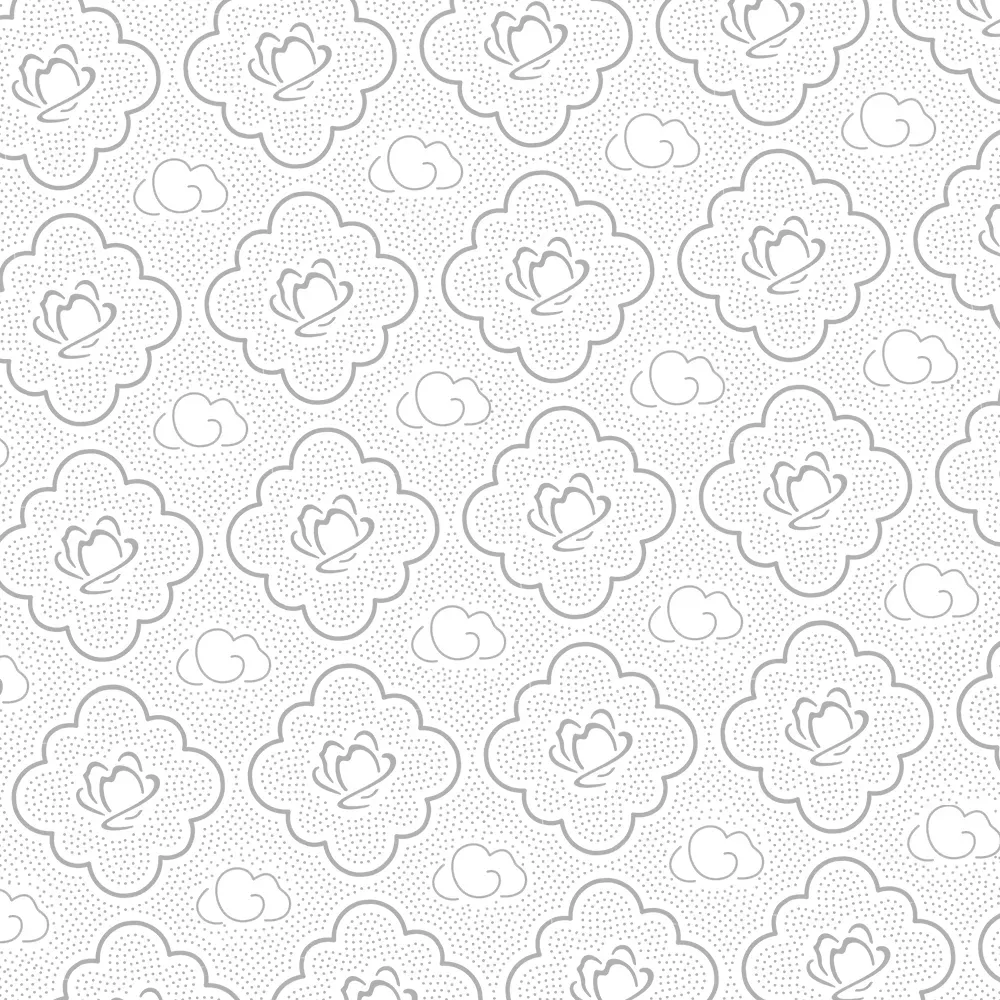
Double-Sided 3D Emb
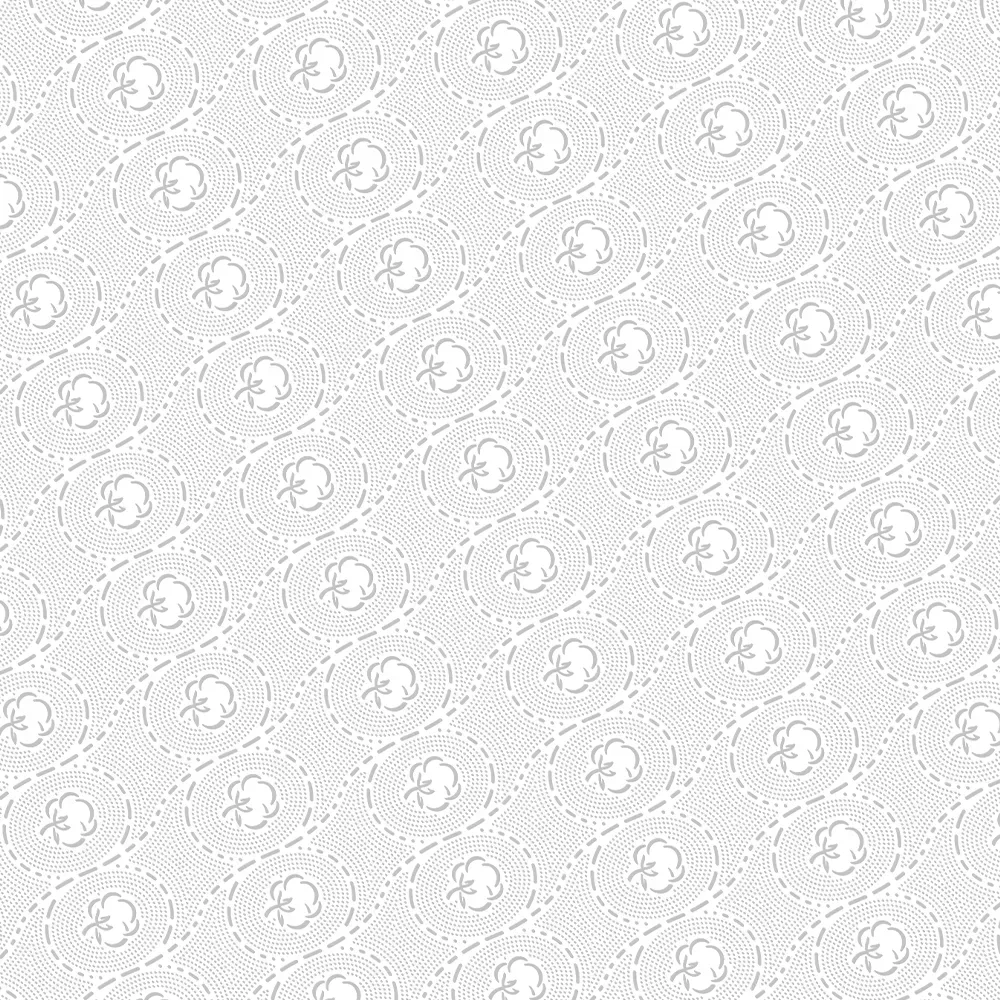
4D 3D Embossing
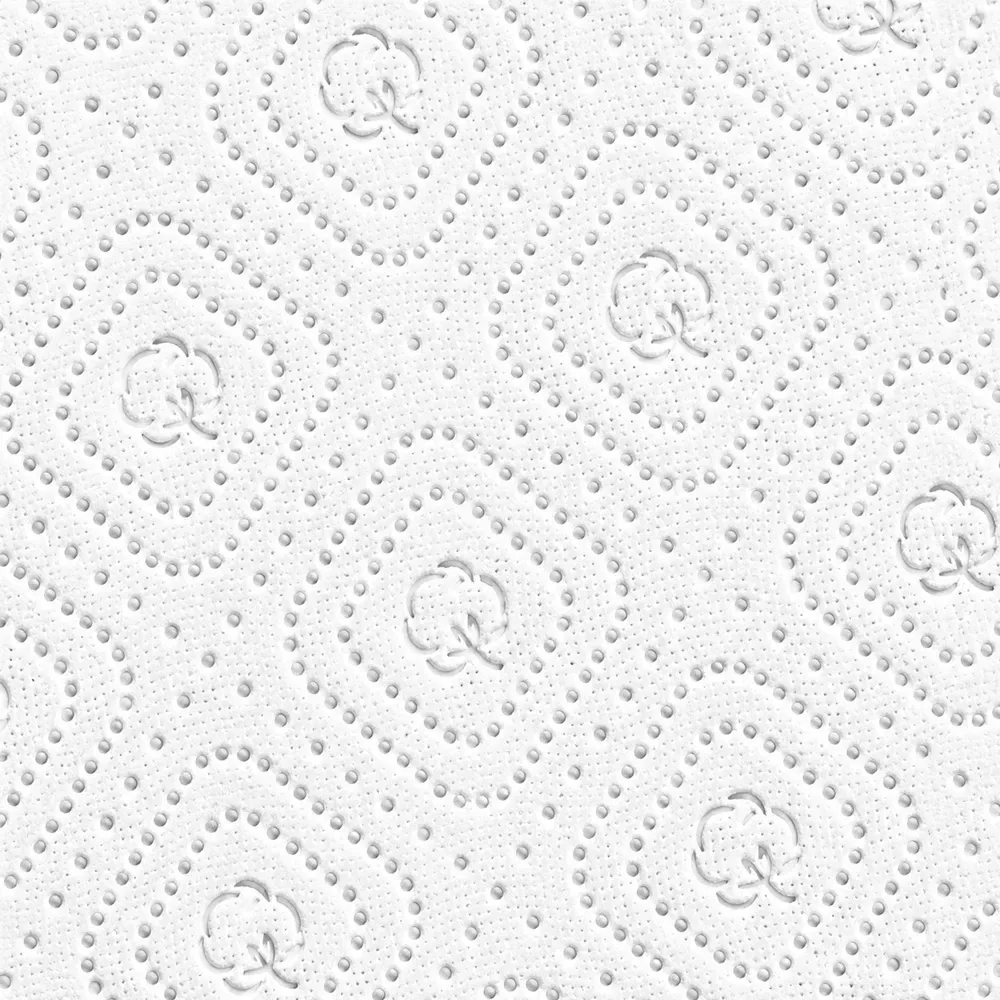
Water-Locking 3D Emb

Auspicious Cloud Emb

Clover Embossing
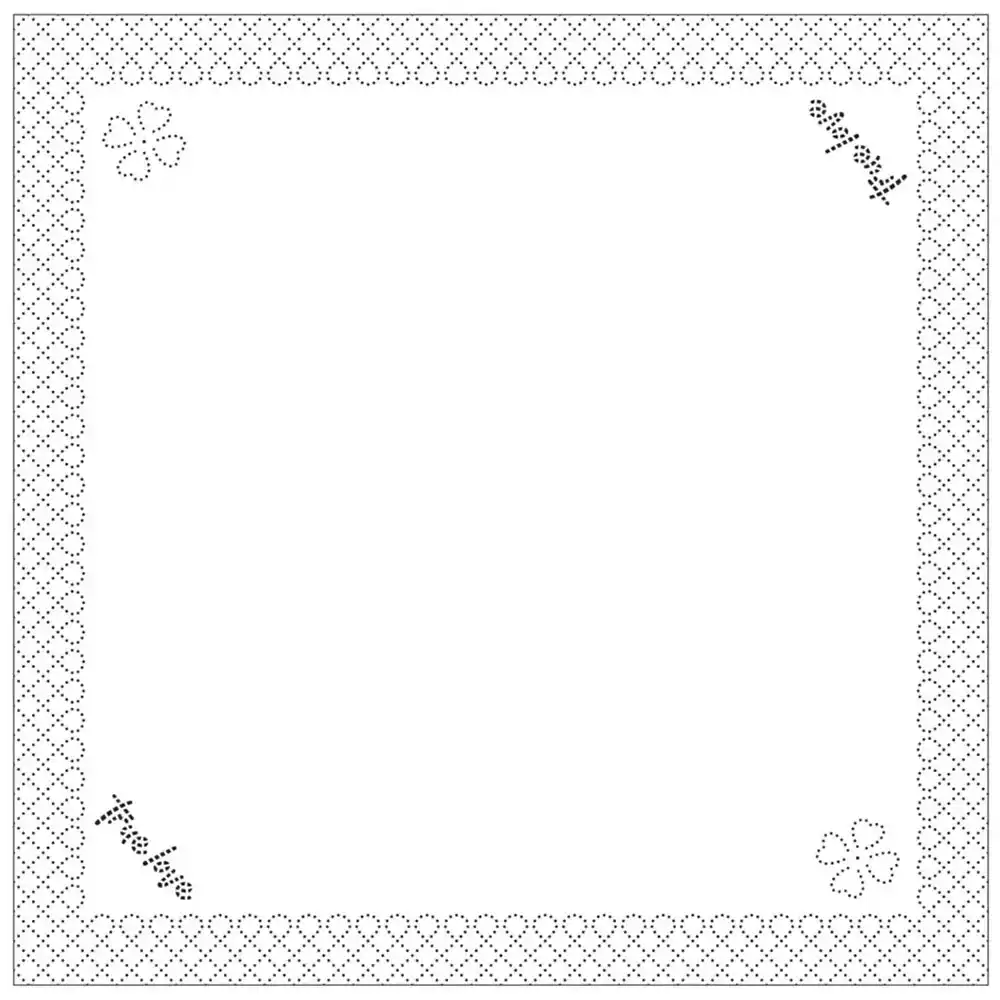
Hundred Patterns 4-Sided Embossing
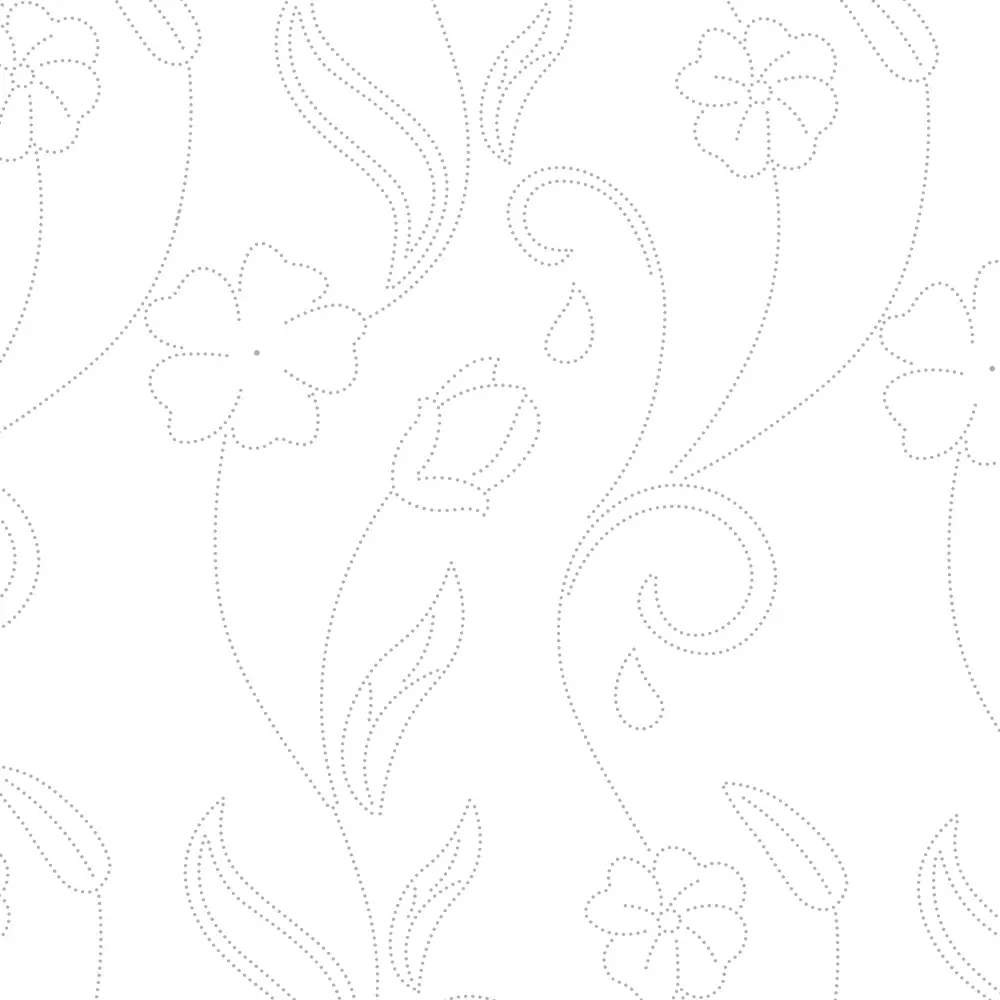
Lily Embossing
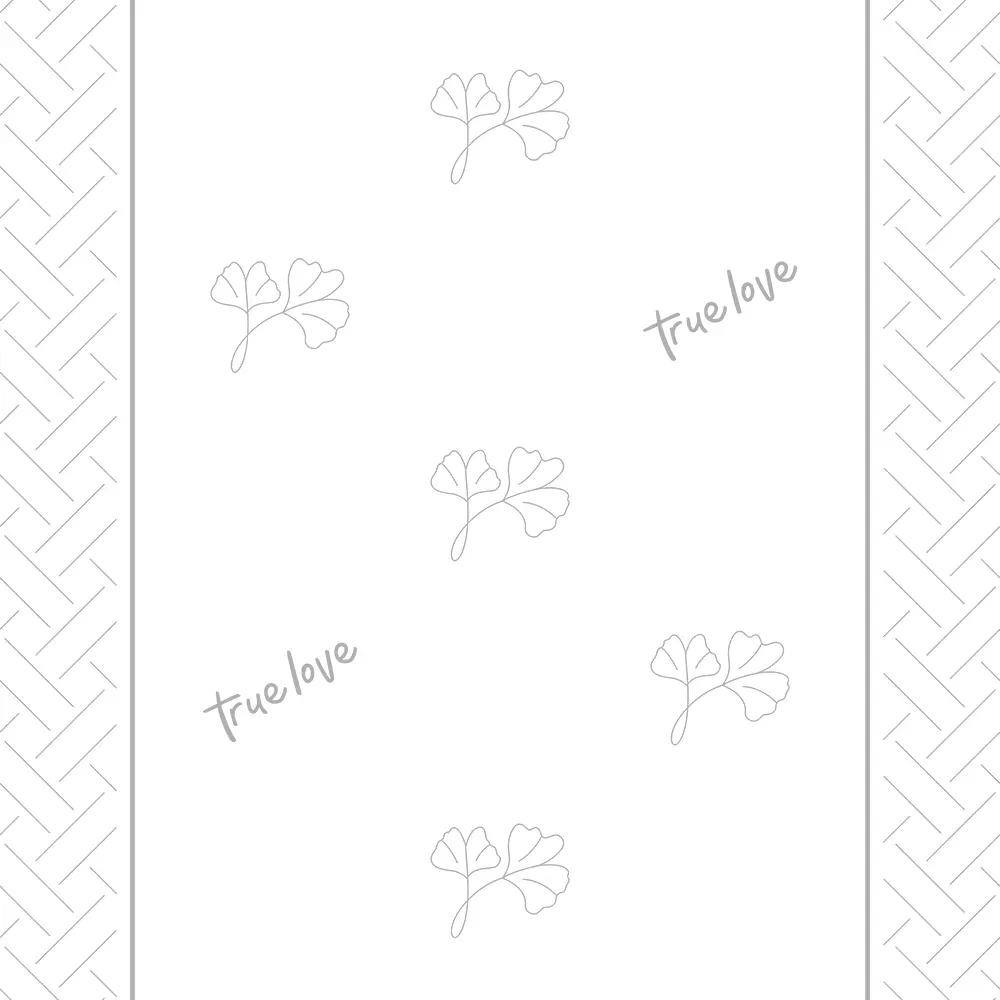
Ginkgo Embossing
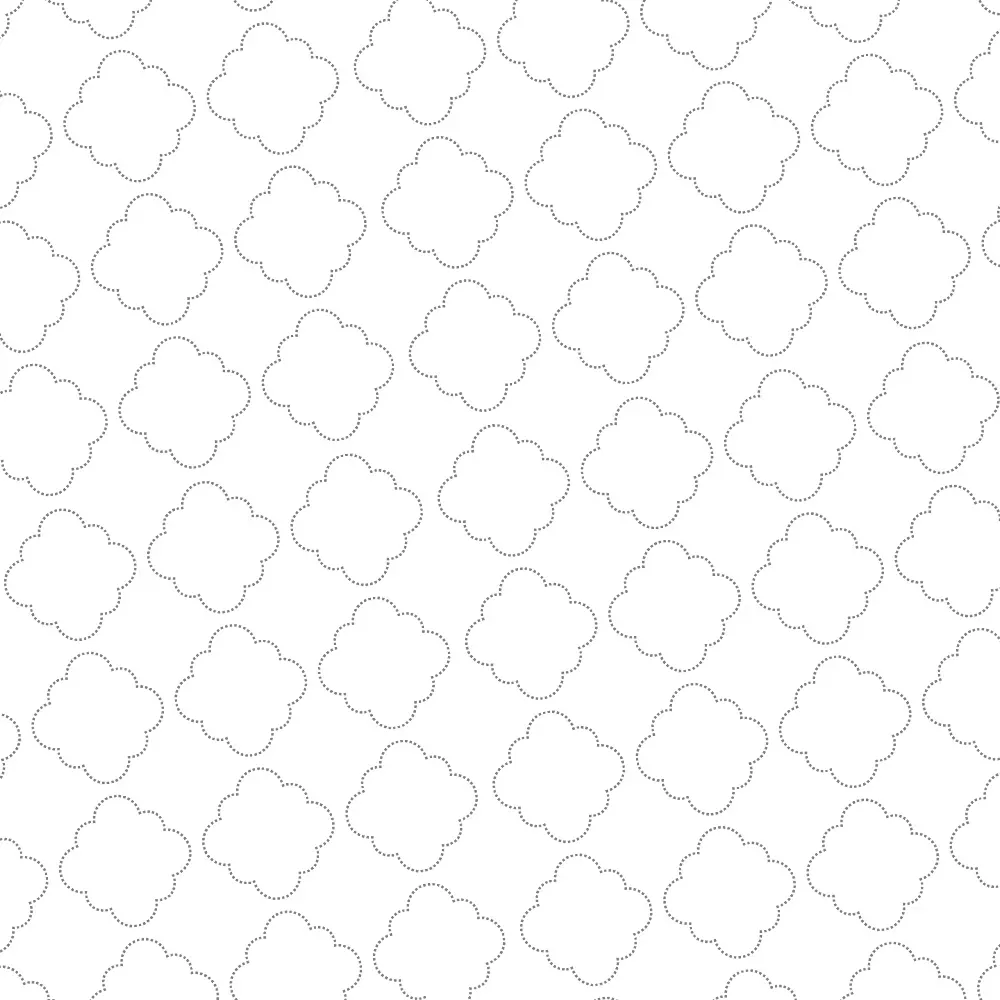
Ring Embossing
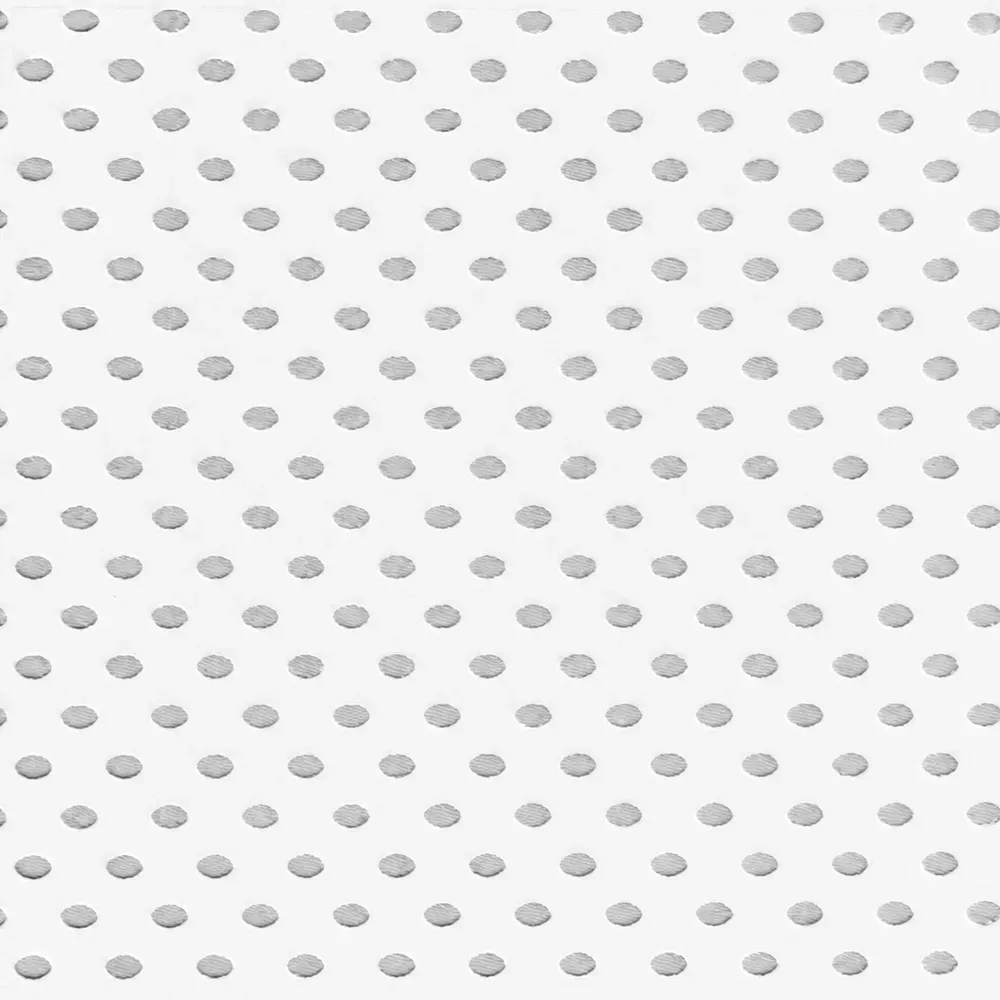
Pineapple Texture Embossing
Embossed vs. Non-Embossed: What Is the Difference?
The main difference between embossed and non-embossed paper is texture. Embossed paper has a raised or recessed pattern created by pressing the material with engraved rollers or a metal die. Non-embossed paper has a flat surface without a 3D pattern.
In tissue products, embossing is not only decorative. It can improve softness, absorbency, and ply bonding. For example, embossed toilet paper often feels thicker because the raised pattern creates small air pockets between layers. Embossed paper towels may also absorb liquid more effectively because the textured surface helps trap moisture.
Non-embossed paper products are simpler in structure. They may still be soft or absorbent, but they do not have the same textured surface or mechanical bonding effect created by embossing.
Embossing vs. Debossing
Embossing and debossing are opposite finishing techniques.
Embossing raises a design above the surface of the material. Debossing presses the design into the material, creating a recessed or stamped-down effect. Both methods use pressure and a die or engraved tool, but the final texture is different.
Embossing is common in tissue paper, packaging, stationery, and napkins when a raised pattern or added texture is needed. Debossing is often used for logos, business cards, leather goods, and premium packaging where a sunken impression gives a clean, subtle finish.
Common Uses of Embossed Paper Products
Embossing is widely used in everyday paper products to improve function, appearance, and brand recognition.
Toilet Paper
Embossed toilet paper often features quilted, floral, wave, or geometric patterns. These designs help create a softer feel, add bulk, and keep multiple plies bonded together.
Paper Towels
Embossed paper towels usually use deeper, interlocking patterns. This helps trap liquid, improve absorbency, and provide better strength during cleaning.
Napkins
Embossed napkins often include patterns along the border or center. The texture adds a decorative finish while helping the napkin feel more structured.
Liansheng Sempo
Your Trusted Facial Tissue Manufacturer
Liansheng Sempo is a professional Facial Tissue manufacturer and supplier offering OEM, wholesale, and private label solutions for global B2B buyers.
We support custom material selection, ply options, sheet sizes, packaging design, and logo printing to help you create products that fit your brand and market demand.
With stable production, strict quality control, and export-ready packaging, we deliver reliable Facial Tissue solutions for wholesalers, distributors, hotels, and retailers.
- Custom Facial Tissue available
- OEM / Private Label supported
- Sample and bulk order service
- Fast quotation within 24 hours
Let’s Talk!
Share your needs with us, Well contact youin very short time.