
Tissue napkins and paper napkins are not the same product. Paper napkins are made for dining, wiping hands and mouths, and handling food spills without falling apart. Tissue paper or facial tissue is made for softness, light wiping, and contact with sensitive facial skin.
If you use a paper napkin on your nose, it may feel rough and cause irritation. If you use facial tissue at the table, it may shred when wet and leave lint behind. The right choice depends on the scene: dining service needs strength, while skincare and nose wiping need softness.
Key Takeaways
- Paper napkins are stronger, thicker, and better for meals, food service, and wet messes.
- Facial tissue is softer, lighter, and better for noses, skincare, and delicate facial use.
- Paper napkins usually have higher wet strength, so they resist tearing when damp.
- Tissue paper usually breaks down more easily when wet, which is useful for comfort but poor for food spills.
- You should not regularly swap paper napkins and facial tissue because they are engineered for different use cases.
- For restaurants, cafés, catering, and private label tissue products, choosing the right material affects customer comfort, hygiene, and cost.
Tissue Napkins Vs Paper Napkins
Paper napkins are designed for dining performance, while tissue paper is designed for softness and skin comfort. Both products start from paper pulp, but their fiber structure, ply design, surface feel, and wet strength are different. In practical terms, you use paper napkins at the table and facial tissue on your face.
In a restaurant, a paper napkin must wipe sauce, oil, water, and food residue without tearing in your hand. It also needs enough structure to fold well, sit neatly beside plates, or stand in a dispenser. That is why paper napkins often feel firmer than facial tissue.
Facial tissue has a different job. You use it for blowing your nose, touching your face, removing light moisture, or handling small skincare needs. It must feel soft even with repeated use, especially during cold season or allergy season. Strength matters, but comfort matters more.
| Feature | Paper Napkins | Tissue / Facial Tissue |
|---|---|---|
| Primary Use | Dining, wiping hands and mouths, absorbing food spills | Blowing noses, skincare, wiping small areas |
| Texture | Thicker, firmer, and sturdier | Thinner, feather-light, and ultra-soft |
| Wet Strength | High; built to wipe wet messes and grease without disintegrating | Low; designed to break down more easily when wet |
| Layers / Ply | Usually 1 to 3-ply, structured for folding and table use | Usually 2 to 3-ply, built for softness against the face |
| Skin Friendliness | Not intended for frequent delicate facial use | Designed for repeated skin contact, sometimes with lotions or softeners |
| Best Scene | Restaurant table, café counter, catering event, takeaway meal | Bedroom, bathroom, office desk, skincare station, cold season use |
Why Paper Napkins Work Better At The Dinner Table
Paper napkins work better at the dinner table because they are made to handle food, moisture, oil, and repeated wiping. When you eat burgers, pizza, fried food, barbecue, or saucy dishes, you need a napkin that keeps its shape and does not break into small fibers.
The key factor is wet strength. A paper napkin can absorb liquid while staying usable long enough for the meal. This matters in restaurants, hotels, cafés, quick-service dining, airline catering, and takeaway packaging.
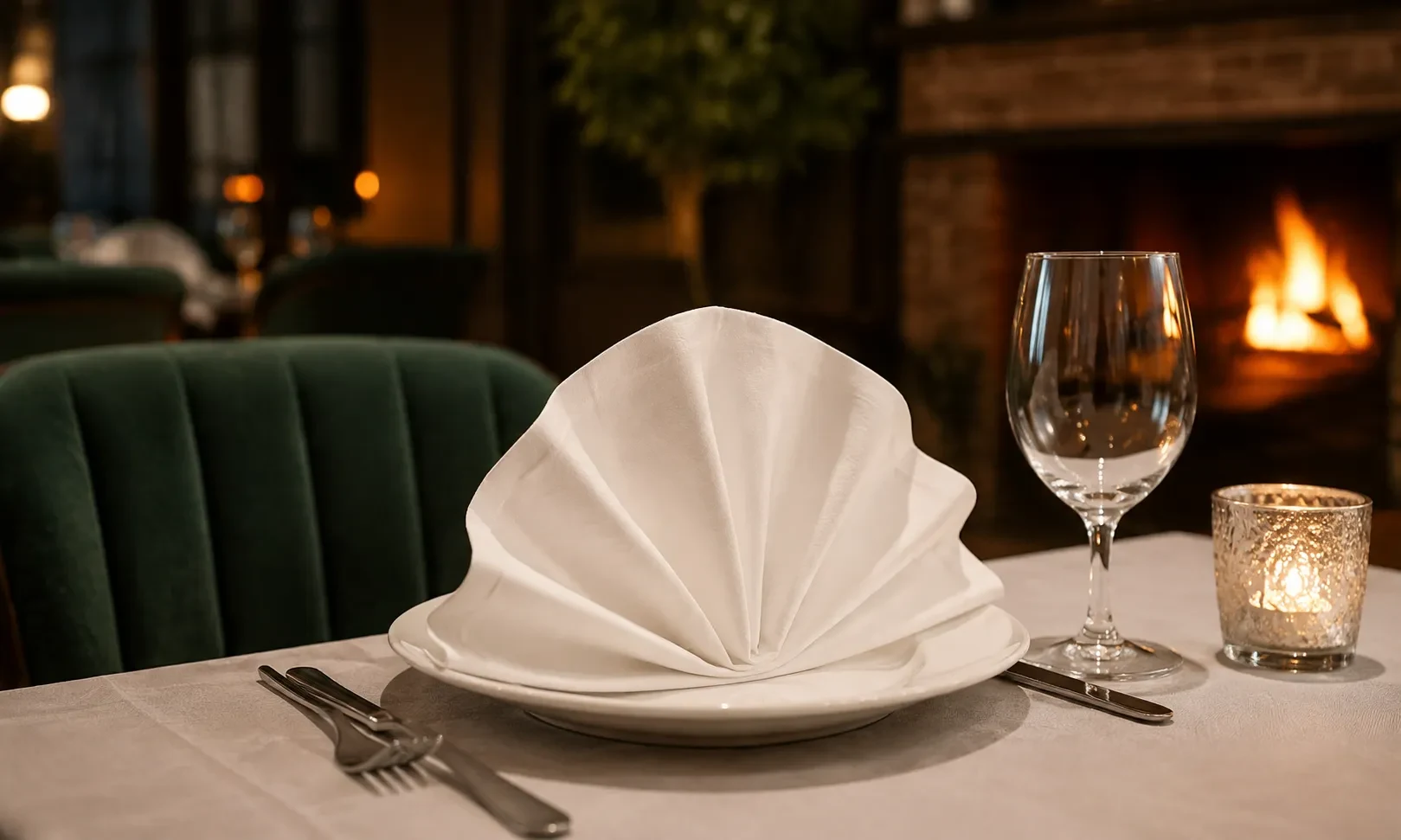
Paper napkins also support presentation. They can be embossed, folded, printed, packed in sleeves, or placed in dispensers.
| Scene | Recommended Product |
|---|---|
| Casual dining | 1-ply or 2-ply paper napkins |
| Full-service restaurant | 2-ply or 3-ply dinner napkins |
| Fast food and takeaway | Dispenser napkins or compact folded napkins |
| Café and bakery | Printed or embossed paper napkins |
| Catering and events | Larger 2-ply or 3-ply napkins |
Why Facial Tissue Is Better For Your Nose And Skin
Facial tissue is better for your nose and skin because it is made to be soft, light, and gentle during repeated contact. If you have a cold, allergies, or sensitive skin, a rougher paper napkin can quickly cause dryness, redness, or chapping.
The fiber design of facial tissue focuses on comfort rather than cleaning heavy messes. Many facial tissues are also made with softeners or lotion options, which reduce friction on delicate skin. This is why a tissue feels smoother and less abrasive than a standard dining napkin.
Facial tissue usually has lower wet strength, so it may fall apart when wiping water, sauce, grease, or spilled drinks. At the dinner table, this can leave lint on your hands, face, or plate area.
Why You Shouldn’t Swap Them
You should not swap paper napkins and facial tissue because each one solves a different problem. A paper napkin may be too stiff for your nose, while facial tissue may be too weak for wet food messes. Using the wrong product often creates discomfort, waste, or poor hygiene.
If you use a paper napkin on your nose, the stiffer fibers can rub sensitive skin too hard. During cold season, repeated wiping may cause dry, red, or cracked skin around the nose. Some napkins are also engineered for strength and dining durability, not daily facial care.
If you use facial tissue at the dinner table, it may shred when it touches sauce, water, or grease. That leaves lint on your hands and makes the cleanup less effective.
How To Choose The Product
Choose paper napkins when your customer is eating, and choose facial tissue when your customer is caring for their face. For business buyers, the decision should be based on use scene, ply, softness, absorbency, wet strength, packaging, and brand positioning.
If you run a restaurant, café, catering company, airline meal service, bakery, or fast-food brand, paper napkins are the practical choice. You may need compact folded napkins for takeaway, premium dinner napkins for table service, or printed napkins for brand visibility.
If you supply hotels, offices, healthcare spaces, salons, retail stores, or home-care channels, facial tissue is more suitable. In these settings, customers judge the product by softness, low lint, clean pulling, and skin comfort.
| Factor | What To Check |
|---|---|
| Ply | 1-ply, 2-ply, or 3-ply |
| Wet Strength | Low, medium, or high |
| Softness | Surface feel and fiber quality |
| Fold Type | Lunch fold, dinner fold, dispenser fold |
| Packaging | Box, bag, sleeve, carton, private label pack |
| Branding | Plain, embossed, printed, custom packaging |
Paper Napkins, Tissue Paper, And Sustainability
Paper napkins and tissue paper can both be part of a responsible supply chain when you choose the right pulp source, production standard, and packaging format. Sustainability depends less on the name of the product and more on the materials, manufacturing control, and actual usage.
For dining, a stronger napkin may reduce overuse because one sheet can do the job. For facial care, a softer tissue improves comfort and avoids the need for rough substitutes. In both cases, the most sustainable product is one that fits the real use scene.
Recycled-content paper where suitable, plastic-reduced packaging, efficient carton design, and controlled product sizing. These choices can reduce waste without making the product fail in use.
Conclusion
Liansheng Sempo manufactures tissue and paper napkin products for practical consumer and business use. As a tissue factory, we focus on matching the product structure to the scene: dining napkins need strength and presentation, while facial tissue needs softness and skin comfort.
For wholesale, private label, food service, hospitality, and retail channels, the product specification should be clear before production. Ply, sheet size, fold type, embossing, softness, absorbency, wet strength, packaging, and carton loading all affect the final customer experience.
If you are sourcing paper napkins, facial tissue, or custom tissue products, Liansheng Sempo can help you choose a specification that fits your price point and market position without using the wrong material for the wrong job.
FAQ
What Is The Difference Between Tissue Paper And Napkin?
Tissue paper is usually softer, thinner, and made for facial or light personal use. A napkin is stronger, thicker, and made for dining, wiping hands, and cleaning food spills.
What Is The Difference Between Paper And Tissue Paper?
Paper is a broad material category used for printing, packaging, writing, and hygiene products. Tissue paper is a lightweight, soft paper product made for wiping, hygiene, facial care, or household use.
Why Don’t The Japanese Use Napkins?
In Japan, restaurants often provide wet towels, called oshibori, instead of standard paper napkins. These are used to clean hands before eating, especially in traditional dining settings, although paper napkins are still available in many cafés and fast-food restaurants.
Is It Better To Use Paper Napkins Or Cloth Napkins?
Paper napkins are better for convenience, hygiene, takeaway meals, and high-turnover food service. Cloth napkins are better for formal dining and reuse, but they require washing, labor, and water.
Can I Use Tissue Instead Of Napkins?
You can use tissue for very light wiping, but it is not ideal for meals. Facial tissue tears more easily when wet and may leave lint when used on food spills or greasy hands.
Are Paper Napkins Safe For The Face?
Paper napkins are safe for occasional face wiping, but they are not designed for repeated nose or facial use. If your skin is sensitive, facial tissue is the better choice.
Are Napkins And Tissues Made From The Same Material?
Both can be made from paper pulp, but they are processed differently. Napkins are engineered for strength and dining use, while tissues are engineered for softness and skin contact.


