
You can microwave paper towels only when they are plain, white, unprinted, fragrance-free, and used for short reheating or splatter control. You should not microwave brown paper towels, printed paper towels, recycled paper products with unknown additives, or any paper towel near direct heat, oil-heavy foods, or long cooking cycles. A wet paper towel is usually safer than a dry one because moisture lowers the chance of scorching, but it can still overheat if left too long.
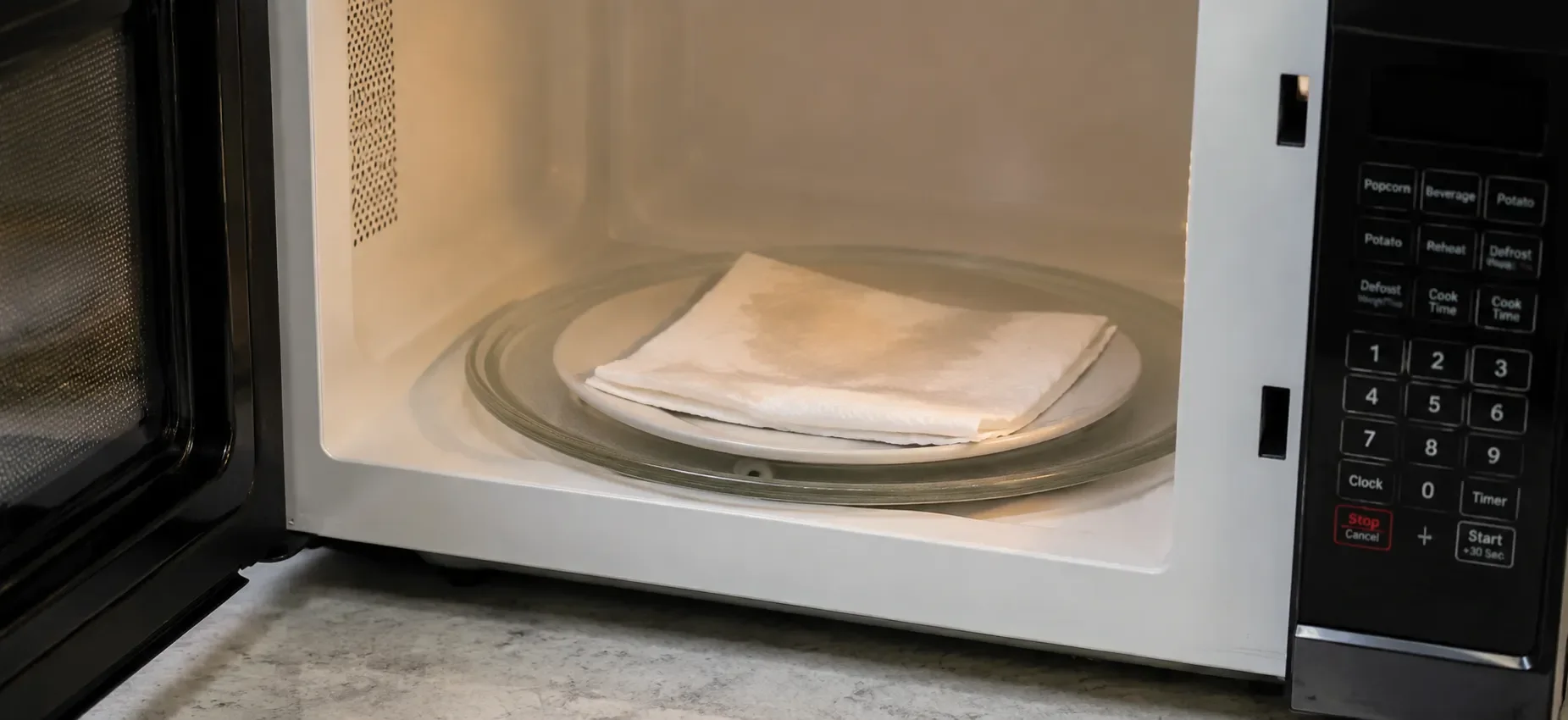
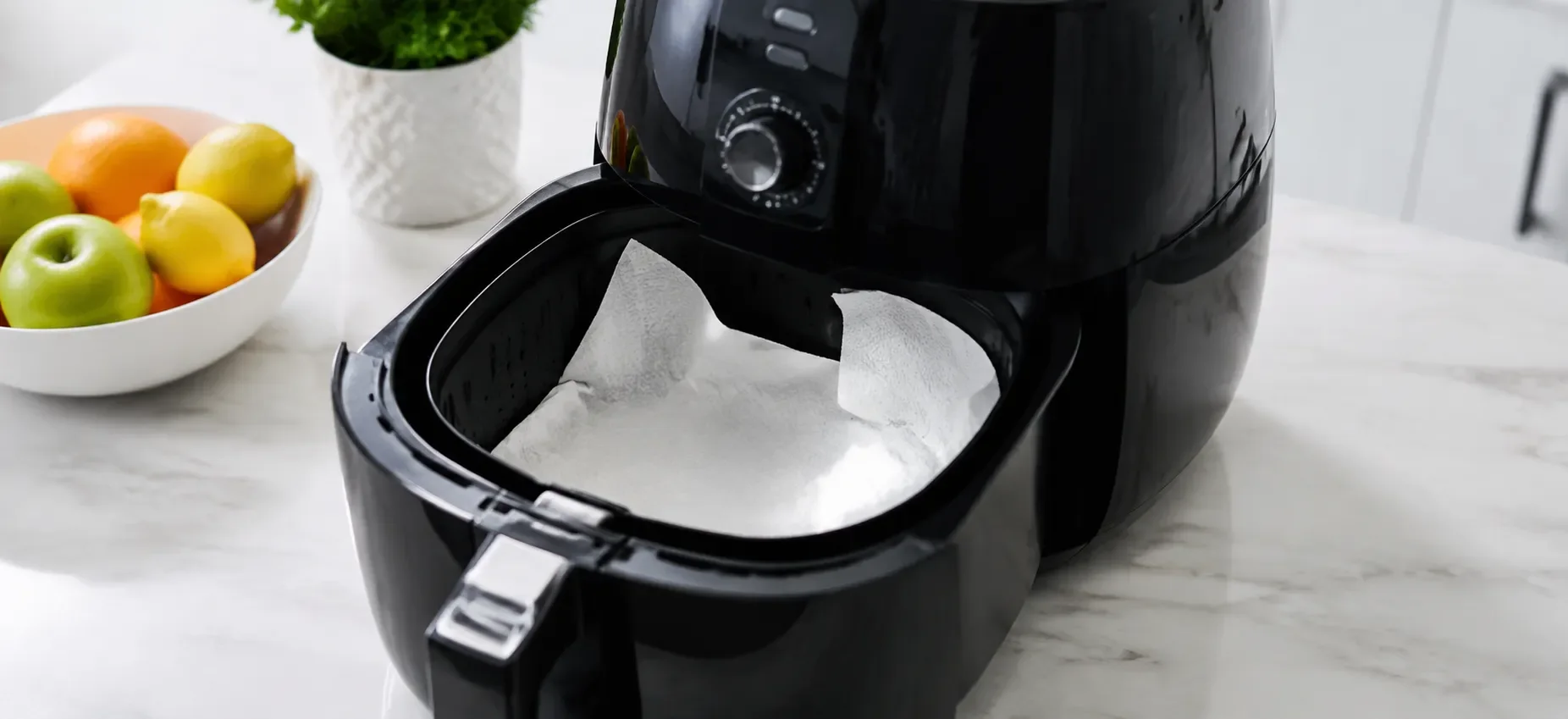
Use a microwave-safe plate, cover food loosely with one paper towel, heat in short intervals, and stop if you smell burning. Never use paper towels in an oven, toaster oven, or air fryer because exposed heating elements and high dry heat can ignite paper.
- You can microwave plain white paper towels for short reheating tasks.
- You should avoid brown paper towels unless the packaging says microwave-safe.
- You can microwave a wet paper towel briefly, usually in 10–30 second intervals.
- You should not put paper towels in an oven, toaster oven, or air fryer.
- You can microwave plain paper napkins and microwave-safe paper plates with caution.
- You should never microwave metal, foil, foam containers, plastic not labeled microwave-safe, or paper with coatings, ink, or unknown additives.
Can You Microwave Paper Towels Safely?
Yes, you can microwave paper towels safely when you use the right type and keep heating time short. The safest option is a plain white paper towel with no printing, dye, lotion, fragrance, metallic decoration, or recycled-content uncertainty. You can use it to cover a bowl, absorb steam, prevent splatter, or wrap bread for brief reheating. You should not let the paper towel touch the microwave wall, bunch into a dry wad, or sit directly on oily food for a long cycle.
Microwave heating works by exciting water molecules in food, but dry paper can still scorch if it gets hot enough from food contact, trapped steam, or overheated fats. Grease is a bigger risk than water because oil can reach higher temperatures and transfer heat into the paper. If you need a paper product for foodservice, restaurant prep, or household packaging, product composition matters, which is why microwave-safe tissue paper specifications deserve close attention.
| Paper Towel Type | Microwave Use | Main Risk |
|---|---|---|
| Plain white paper towel | Usually yes | Scorching if overheated |
| Printed paper towel | No | Ink, dyes, unknown additives |
| Brown paper towel | Only if labeled microwave-safe | Recycled fibers, additives |
| Fragranced paper towel | No | Chemicals, odor transfer |
| Wet paper towel | Yes, briefly | Steam burns, overheating |
Can You Put Brown Paper Towels In The Microwave?
You should not put brown paper towels in the microwave unless the product label clearly says microwave-safe. Brown paper towels often use unbleached fiber, recycled fiber, or commercial-grade formulations that may include residues, binders, dyes, wet-strength agents, or contaminants not intended for microwave heating. The brown color itself is not the only issue; the real concern is unknown composition under heat.
If you operate a café, hotel, catering service, or retail food counter, you should treat brown paper towels as serving or wiping products, not microwave covers, unless your supplier provides clear heat-use documentation. A plain white microwave-safe paper towel is the better choice for reheating because it reduces uncertainty around additives and colorants. For purchasing teams, this is where certified food-contact paper towel sourcing becomes more important than appearance or softness alone.
Can You Put Wet Paper Towels In The Microwave?
Yes, you can put wet paper towels in the microwave for short periods, and a damp towel is often safer than a dry one. You can use a wet paper towel to soften bread, keep tortillas flexible, steam vegetables lightly, or prevent rice from drying out. The towel should be damp, not dripping, and it should not be tightly wrapped in a way that traps pressure or causes steam burns when opened.
You should microwave a wet paper towel in short bursts, usually 10 to 30 seconds at a time, then check the food. For denser food, repeat in intervals instead of running a long cycle. A wet paper towel can still become hot, dry out, and scorch if the microwave runs too long. You should also keep it away from fatty foods because oil can overheat the paper even when water is present, a common issue in commercial reheating workflows.
How Long Can You Put A Paper Towel In The Microwave?
You should microwave a paper towel only as long as needed for light reheating, usually 10 seconds to 2 minutes depending on moisture, food type, and microwave wattage. A dry paper towel used as a loose cover should be monitored closely, especially after one minute. A damp paper towel can often handle slightly longer reheating because moisture absorbs energy, but it should still be checked in intervals.
The safest approach is short-cycle heating. Start with 15 to 30 seconds for bread, pastries, tortillas, or small portions. For bowls of leftovers, use one loose cover and heat in 30 to 60 second intervals, stirring between cycles. Do not microwave paper towels alone because dry paper has no food moisture to absorb energy. If you regularly reheat packaged meals, you may also want to compare paper towel use with microwave-safe lids and foodservice wraps.
| Use Scenario | Recommended Time | Safety Note |
|---|---|---|
| Softening bread | 10–15 seconds | Check quickly to avoid gumminess |
| Warming tortillas | 15–30 seconds | Stack loosely |
| Covering leftovers | 30–60 second intervals | Stir between intervals |
| Steaming vegetables | 1–2 minutes | Use a microwave-safe dish |
| Microwaving paper towel alone | Not recommended | Fire risk increases |
Can You Put Paper Towels In The Oven On Warm?
No, you should not put paper towels in the oven, even on warm. Ovens use dry radiant and convective heat, which can ignite paper when temperatures rise, when paper contacts a hot rack, or when heating elements cycle above the displayed setting. A “warm” oven may still create hot spots that are unsafe for paper products.
If you need to keep food warm, use oven-safe cookware, parchment paper rated for oven use, foil where appropriate, or a clean kitchen towel outside the oven. You should not use paper towels as liners, covers, grease absorbers, or food wraps inside an oven. For foodservice operations, this distinction matters: microwave-safe does not mean oven-safe, and oven-safe does not apply to standard tissue paper or disposable wiping products.
Can You Put Paper Towels In The Air Fryer?
No, you should not put paper towels in the air fryer. Air fryers use high-speed hot air and close heating elements, which can lift lightweight paper into the heater and ignite it. Even if the paper towel stays in place, it can block airflow, overheat, scorch, or create a smoke and fire hazard.
You should use air-fryer parchment liners designed for the appliance, and only when food weighs the liner down. Never preheat an air fryer with loose paper inside. If your goal is grease absorption, place cooked food on a paper towel after it leaves the air fryer, not during cooking. This is a practical difference between absorbent tissue paper applications and heat-exposed cooking accessories.
Can You Put Paper Napkins In The Microwave?
You can put plain white paper napkins in the microwave for short reheating, but you should avoid printed, dyed, metallic, scented, or decorative napkins. A plain napkin can cover food or wrap bread much like a paper towel, but it may be thinner, less absorbent, and more likely to dry out. You should use it loosely and monitor it closely.
Paper napkins are common in restaurants, takeout counters, offices, and home kitchens, but not all napkins are designed for reheating. If you need a disposable product for microwave food contact, choose a napkin or paper towel with a clean fiber formulation and clear food-contact suitability. Liansheng Sempo manufactures tissue paper products for real-use scenarios where absorbency, softness, strength, and application safety need to match the channel.
Can You Put Hand Towels In The Microwave?
You should not put disposable paper hand towels in the microwave unless they are plain, clean, food-contact suitable, and used only for very short reheating like a paper towel. Many commercial hand towels are designed for restroom, industrial, or workplace drying, not direct food heating. They may be thicker, rougher, recycled, treated for wet strength, or processed with materials that are not intended for microwave food use.
If you mean a cloth hand towel, you can microwave it only when it is clean, fully damp, free of metal threads or labels, and heated briefly for a warm compress. Do not microwave a dry cloth towel because it can scorch or burn. For food use, a plain microwave-safe paper towel is still the better controlled option than a restroom hand towel or general-purpose cleaning towel.
Can You Put Paper Plates In The Microwave?
You can microwave paper plates only when they are labeled microwave-safe and do not have plastic coating, foil trim, metallic ink, heavy printing, or waxy finishes. Plain white microwave-safe paper plates are commonly used for reheating dry or low-moisture foods, but they should not be used for long cooking or very greasy meals. Grease can soak into the plate and overheat.
You should avoid using thin paper plates for heavy foods because they can bend, leak, or collapse when hot. For saucy, oily, or long-heating meals, use ceramic or glass marked microwave-safe. In foodservice procurement, the same rule applies across paper plates, napkins, and towels: the product must match the heating method, food type, and customer-use scenario.
Can You Put Paper In The Microwave?
You can put some paper in the microwave, but only if it is plain, clean, food-safe, and free from metal, coating, glue, ink, plastic lamination, and unknown additives. Standard office paper, newspaper, magazines, receipts, paper bags, and coated packaging should not go into the microwave. These products were not designed for food heating and can release odors, scorch, spark, or contaminate food.
The safest microwave paper products are those specifically sold for food contact and reheating, such as plain paper towels, plain paper napkins, microwave-safe paper plates, and microwave-safe parchment. You should always check packaging instructions because paper product categories are broad. A tissue paper factory may make many grades, but wiping tissue, toilet tissue, napkins, facial tissue, and food-contact paper serve different end-use requirements.
What Can’t Be Put In The Microwave?
You should never put metal, aluminum foil, stainless steel, twist ties, metal-trimmed dishes, non-microwave-safe plastic, foam containers, sealed containers, and unknown paper packaging in the microwave. Metal can spark and damage the appliance. Non-microwave-safe plastic and foam can melt, warp, or transfer unwanted chemicals into food. Sealed containers can build pressure and burst.
You should also avoid eggs in shells, grapes, hot peppers, dry sponges, dry towels, and heavily oily paper products. These items can explode, ignite, smoke, or release irritating vapors. When in doubt, use glass or ceramic cookware labeled microwave-safe.
Microwave Paper Product Safety By Scenario
You should choose paper products based on the exact heating scenario, not just the product name. A paper towel used as a loose splatter cover behaves differently from a paper towel wrapped tightly around oily fried food. A damp towel used for bread behaves differently from a dry towel left under bacon. Most microwave paper towel problems come from heat concentration, grease, long cycles, or the wrong paper grade.
You need to define fiber type, whiteness, wet strength, absorbency, sheet size, ply count, packaging format, and intended use before ordering tissue products. Liansheng Sempo supports distributors, foodservice brands, private-label retailers, hotels, and wholesalers that need paper towels, napkins, facial tissue, toilet tissue, and related tissue paper products built around actual customer scenarios.
How To Use Paper Towels In The Microwave Correctly
You should use a paper towel in the microwave as a loose cover, moisture barrier, or short-cycle wrap. Place food on a microwave-safe dish, lay the towel flat or loosely over the top, and keep it away from the microwave walls. If you need moisture, dampen the towel lightly and avoid dripping water onto the plate edge where it can become very hot.
You should stop heating immediately if you smell smoke, see browning, or notice the towel drying out around oily food. Let steam escape before removing the towel because damp paper can burn your fingers. If you need repeat heating in a restaurant, office, or production test kitchen, replace the towel each cycle instead of reusing a dried one. This simple habit improves hygiene and reduces scorching risk.
Why Paper Quality Matters For Microwave Use
Paper quality matters because microwave safety depends on fiber composition, additives, absorbency, sheet structure, and intended contact with food. Two paper towels can look similar but perform differently when exposed to steam, grease, and repeated short heating. A stronger towel may hold moisture better, while an unsuitable towel may shed fibers, transfer odor, or scorch quickly.
As a professional tissue paper factory, Liansheng Sempo focuses on matching paper products to real application needs rather than treating all tissue as interchangeable. If you source for retail shelves, foodservice distributors, hospitality groups, or institutional buyers, you need consistent production, clean packaging, stable specifications, and clear use guidance.
Conclusion
You can microwave paper towels when they are plain, white, unprinted, and used briefly, especially as a loose cover or damp wrap. You should avoid brown, printed, coated, scented, recycled-unknown, or industrial paper towels unless the packaging clearly supports microwave use. You should never use paper towels in an oven or air fryer.
If you need reliable tissue paper products for retail, foodservice, hospitality, or private-label distribution, contact Liansheng Sempo. You can discuss paper towels, napkins, facial tissue, toilet tissue, custom packaging, specifications, and application-based sourcing with a professional factory team.
Frequently Asked Questions
Can Paper Towels Catch Fire In The Microwave?
Yes. Paper towels can catch fire if they are dry, overheated, exposed to oil, bunched tightly, or microwaved for too long.
Is It Safe To Cover Food With A Paper Towel In The Microwave?
Yes, if the paper towel is plain, white, unprinted, and used loosely for short reheating.
Can You Microwave A Wet Paper Towel With Bread?
Yes. A damp paper towel can help soften bread, but you should heat it for only 10 to 15 seconds at first.
Are Brown Paper Towels Microwave-Safe?
Usually no. You should only microwave brown paper towels if the package clearly says they are microwave-safe.
Can You Microwave Printed Paper Towels?
No. Printed paper towels may contain inks, dyes, or additives that are not suitable for microwave heating.
Can You Put Paper Towels Under Bacon In The Microwave?
You can, but it carries more risk because hot grease can overheat the paper. Use short intervals and microwave-safe bacon trays when possible.
Can You Put Napkins In The Microwave?
Yes, plain white paper napkins can be microwaved briefly. Avoid printed, colored, metallic, or scented napkins.
Can You Microwave Paper Plates?
Yes, only if the paper plate is labeled microwave-safe and has no plastic coating, wax coating, foil, or metallic decoration.
Why Can’t You Put Paper Towels In An Air Fryer?
Air fryers use strong airflow and high dry heat that can lift paper into the heating element and cause a fire.
What Is The Safest Thing To Cover Food In The Microwave?
A microwave-safe glass lid, ceramic cover, vented plastic cover labeled microwave-safe, or plain white paper towel used briefly is safest.


