
For most households, toilet paper is still the more practical choice for daily bathroom hygiene because it cleans and dries in one quick step, works in every bathroom, requires no installation, and lets you visually confirm cleanliness.
A bidet can be helpful for people with sensitive skin, irregular bowel movements, heavy sweating, menstruation, or plumbing systems that cannot handle paper.
But it does not fully replace toilet paper for many users because you often still need tissue to dry afterward. The better choice depends on your body, bathroom setup, water access, comfort expectations, and local plumbing conditions.
Key Takeaways
- Toilet paper is better for quick cleaning, drying, portability, and visual confirmation.
- A bidet can be better for rinsing, sensitive skin, menstruation, sweating, or frequent bathroom use.
- Most bidet users still need toilet paper after bidet use to dry properly.
- Premium toilet paper improves comfort because it is softer, thicker, and less likely to break.
- Bidets may reduce paper use, but they also increase water use and may require installation.
- The best routine for many people is a combination: rinse when needed, then dry with quality toilet paper.
Toilet Paper vs Bidet
Toilet paper gives you wipe, check, and dry at the same time. A bidet rinses with water, which can feel cleaner, but you may still need tissue or a towel to dry. For everyday use, toilet paper is simpler; for specific hygiene needs, a bidet can be useful.
The main difference is not only “paper versus water.” It is the full bathroom routine. With toilet paper, you complete the process in one motion. With a bidet, you rinse first, adjust your position, wait for the water to do its job, and then dry.
That drying step matters. Many bidets include an air dryer, but in real bathrooms, air drying can be slow. If you are in a hurry, you usually reach for toilet paper anyway.
| Factor | Toilet Paper | Bidet |
|---|---|---|
| Cleaning method | Wiping | Water rinsing |
| Drying | Immediate | Often needs toilet paper or towel |
| Visual confirmation | Easy | Limited |
| Installation | None | May require plumbing or electricity |
| Portability | High | Low |
| Best for | Daily use, travel, public bathrooms | Sensitive skin, menstruation, heavy sweating, some plumbing systems |
| Maintenance | None | Nozzle cleaning, leaks, water pressure, temperature settings |
Why Many People Prefer Toilet Paper
Many users prefer toilet paper because it is fast, dry, familiar, and easy to control. You can see when the paper comes away clean, which gives a clear hygiene signal. A bidet may feel cleaner, but it can leave you wet and still needing paper afterward.
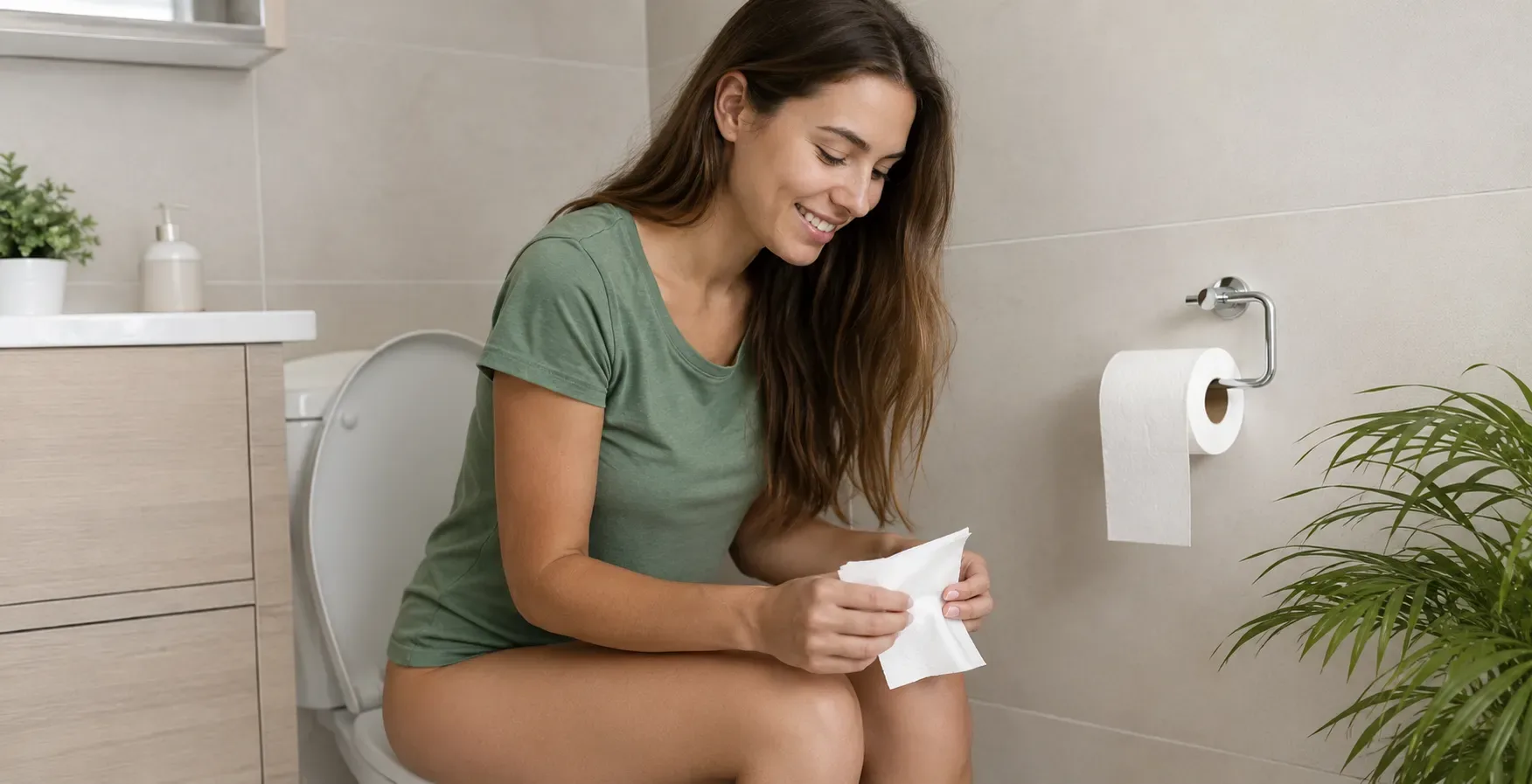
This visual confirmation is one of the strongest arguments for toilet paper. When wiping, you can directly confirm whether more cleaning is needed. With a bidet, you rely more on feeling, timing, and water pressure.
Comfort is another reason. High-quality toilet paper is soft, thick, absorbent, and strong enough to handle normal use without tearing. Poor toilet paper can feel rough or break apart, but that is a product-quality issue, not a weakness of toilet paper itself.
Immediate Cleaning and Drying
Toilet paper works because it combines two jobs: cleaning and drying. That matters in real bathroom scenarios, especially in offices, hotels, airports, schools, and public restrooms.
A bidet can rinse effectively, but it leaves water behind. If you do not dry properly, you may feel damp, uncomfortable, or irritated. For many people, that wet feeling is the reason they return to toilet paper even after trying a bidet.
No Installation, No Settings, No Maintenance
Toilet paper does not require water pressure, nozzle angle, temperature control, electricity, or plumbing changes. You do not need to worry about leaks, hard water buildup, spray direction, or cleaning the nozzle.
This is important for renters, older homes, shared bathrooms, public facilities, and regions where bathroom layouts are not designed for bidet systems.
Better Portability
You can carry toilet paper, pocket tissues, or travel tissues almost anywhere. A built-in bidet only works in one bathroom.
For people who travel, commute, camp, work in offices, or use public restrooms often, toilet paper remains the most reliable hygiene product.
When a Bidet May Be Better
A bidet may be better when you need gentle rinsing, have sensitive skin, experience irregular bowel movements, sweat heavily, or want extra freshness during menstruation. Water can reduce repeated wiping, which may help when the skin is already irritated.
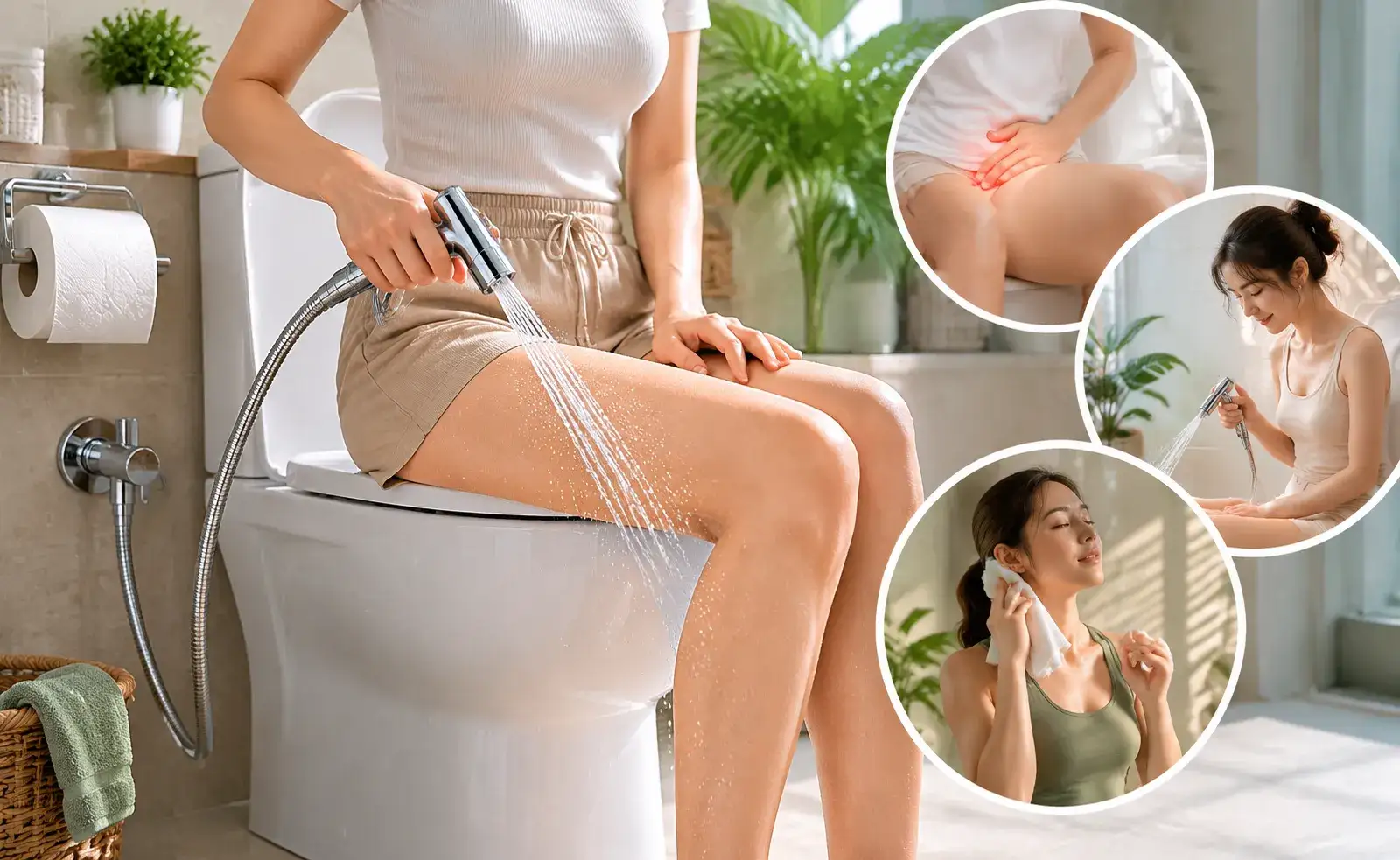
Some users benefit from water rinsing because toilet paper alone may require several wipes. Repeated wiping can cause friction, especially with low-quality paper or sensitive skin.
A bidet can also be helpful when stools are loose, sticky, or difficult to clean. In those cases, water can remove residue more efficiently before drying with toilet paper.
Sensitive Skin and Irritation
If you often experience irritation, a bidet can reduce friction. This can be useful for people with hemorrhoids, postpartum recovery, or sensitive skin.
However, water pressure should be gentle. Strong spray may cause discomfort, and overly frequent washing can also disturb the skin’s natural balance.
Menstruation and Feminine Hygiene
For women, a bidet can be useful during menstruation, especially when using pads or menstrual cups. It provides a convenient rinse without needing to wash at the sink.
Still, drying is important. Moisture left on the skin can increase discomfort, so soft, absorbent toilet paper remains useful after rinsing.
Humid Weather and Sweating
In hot or humid environments, a bidet can provide quick relief from sweating. A cold-water rinse may feel refreshing and reduce discomfort faster than waiting for air conditioning to cool the body.
This is one reason handheld bidet sprayers are common in many warm-climate countries.
Does a Bidet Replace Toilet Paper?
For many people, a bidet does not fully replace toilet paper. It can reduce paper use, but most users still need toilet paper to dry after rinsing. Unless the bidet dryer is effective and fast, toilet paper remains part of the routine.
The common claim that bidets eliminate toilet paper is not always accurate. In practice, users often rinse first and then pat dry with toilet paper.
This is also where toilet paper quality matters. Thin, weak paper may break when used on wet skin. Stronger, more absorbent toilet paper performs better after bidet use because it can dry without falling apart.
| Bathroom Routine | Toilet Paper Needed? | Notes |
|---|---|---|
| Toilet paper only | Yes | Cleans and dries in one step |
| Bidet rinse + air dry | Maybe | Air drying may take time |
| Bidet rinse + toilet paper dry | Yes | Common routine |
| Bidet rinse + towel dry | No toilet paper, but towel needed | Requires towel hygiene and washing |
| Public restroom use | Usually yes | Bidets are not always available |
Comfort: Toilet Paper vs Bidet
Premium toilet paper often feels more comfortable than a cold bidet spray because it is soft, dry, and controlled by the user. A warm-water bidet can improve comfort, but water pressure, spray angle, and drying still affect the experience.
A common complaint about bidets is the sensation of cold water hitting a sensitive area. Warm-water models reduce this issue, but they may cost more and require installation.
By comparison, premium toilet paper gives a predictable experience. The texture, thickness, and absorbency are easy to understand before use. For many households, comfort is the reason they buy better toilet paper instead of the cheapest single-ply option.
Why Toilet Paper Quality Matters
Low-grade toilet paper can tear, leave lint, or feel rough. This is especially common in some public restrooms where cost is the main purchasing factor.
High-quality toilet paper should offer:
- Softness without excessive lint
- Strength during wiping
- Absorbency for clean drying
- Safe flushability
- Consistent sheet quality
Hygiene: Is Water Always Cleaner Than Toilet Paper?
Water can rinse away residue, but water alone is not the same as washing with soap. A shower with soap and proper scrubbing is more thorough than either toilet paper or a bidet. For toilet use, both methods can be hygienic when used correctly.
The argument “if it got on your hand, you would wash it with water” is common, but incomplete. If fecal matter got on your hand, you would use soap and water, not water alone.
A bidet uses water, but usually not soap. Toilet paper wipes the surface and removes visible residue. Neither method is identical to a full shower. The practical question is what works best after using the toilet, not what replaces bathing.
Visual Cleanliness vs Rinsing Cleanliness
Toilet paper provides visible feedback. You can see whether more wiping is needed.
A bidet provides rinsing coverage, but you may not know when it is fully clean unless you dry and check. For people who want certainty, this is a clear advantage of toilet paper.
Residue and Paper Breakage
Toilet paper can sometimes break if it becomes too wet, especially low-quality paper. This is more likely when drying after bidet use or when using thin public restroom tissue.
Stronger toilet paper reduces this issue. It is one reason many consumers prefer premium tissue for home use.
Cost Comparison: Toilet Paper vs Bidet
A bidet may reduce long-term toilet paper spending, but the savings depend on installation cost, water use, maintenance, and whether you still use toilet paper to dry. Toilet paper has ongoing cost, but no equipment cost or repair risk.
If your main goal is saving money, a bidet can make sense over time. Basic handheld sprayers are often affordable. Electric bidet seats cost more and may require compatible outlets or plumbing adjustments.
Toilet paper is a recurring purchase, but it is simple and predictable. Many consumers are also willing to pay more for comfort, which is why premium toilet paper remains popular in developed markets.
| Cost Item | Toilet Paper | Bidet |
|---|---|---|
| Upfront cost | None beyond purchase | Low to high depending on model |
| Installation | None | Possible plumbing/electric work |
| Ongoing cost | Regular paper purchase | Water, maintenance, possible repairs |
| Drying product | Included | Often still needs toilet paper |
| Public use | Easy | Limited availability |
Environmental Impact: Paper Use vs Water Use
Toilet paper uses fiber and packaging; bidets use water and sometimes electricity. The greener choice depends on local water availability, forestry practices, wastewater systems, and how much toilet paper you actually use.
It is too simple to say bidets are always better for the environment. In water-stressed regions, extra water use matters. In regions with responsible forestry and efficient tissue production, paper can be managed sustainably.
A realistic environmental view should consider the full system: pulp sourcing, recycled content, water use, electricity, packaging, transportation, and sewage infrastructure.
Forestry and Tissue Production
Modern tissue production does not always mean “destroying forests.” Many tissue manufacturers use managed forestry, recycled fibers, or certified pulp sources.
For buyers, the better question is not “paper or no paper,” but “what kind of paper, from what source, and with what production standards?”
Water Scarcity and Bidet Use
Bidets use water every time they operate. One household may not seem significant, but across millions of users, water demand can add up.
In dry regions, that matters. In humid or water-abundant regions, the calculation may be different.
Plumbing, Public Restrooms, and Regional Habits
Toilet paper works best where plumbing can handle flushed tissue. Bidets are more common in countries where toilet paper may clog pipes or where washing with water is part of the bathroom culture. Local infrastructure often decides the better option.
In some countries, plumbing systems cannot handle toilet paper well. In those places, bidets, handheld sprayers, or water containers are practical necessities.
In North America and much of Europe, toilet paper is the standard because plumbing systems are generally designed for it. Public restrooms, hotels, workplaces, and schools are built around toilet paper access.
Handheld Bidet Sprayers
Handheld bidet sprayers are common globally because they are affordable, adjustable, and easier to install than full bidet toilets.
They work like a focused water sprayer and allow the user to control the angle. For some users, this solves many complaints about fixed bidet seats.
Smart Toilet Seats
Smart toilet seats may offer warm water, adjustable pressure, heated seats, and drying. They improve comfort but add cost, complexity, and maintenance.
For homeowners who value bathroom upgrades, they may be worth it. For rental housing or public bathrooms, they are often less practical.
Bathroom Routine: What Should You Use?
For most users, the best routine is simple: use quality toilet paper for daily hygiene, add a bidet if you need extra rinsing, and always dry properly. Cleanliness, comfort, and skin health matter more than loyalty to one method.
If you prefer toilet paper, choose a product that is soft, strong, and absorbent. If you use a bidet, keep the spray gentle and dry with a tissue that does not break easily.
You do not need to treat toilet paper vs bidet as an all-or-nothing decision. Many households use both. The bidet handles rinsing when needed; toilet paper handles drying and confirmation.
Recommended Use by Scenario
| Scenario | Better Choice | Why |
|---|---|---|
| Quick daily bathroom use | Toilet paper | Fast, dry, easy to check |
| Sensitive skin | Bidet + soft toilet paper | Less friction, proper drying |
| Menstruation | Bidet + toilet paper | Rinsing plus dryness |
| Public restroom | Toilet paper | Available and practical |
| Travel | Toilet paper or pocket tissue | Portable |
| Weak plumbing | Bidet | Reduces flushing paper |
| Humid climate | Bidet | Quick rinse can reduce discomfort |
| Premium home comfort | Premium toilet paper or smart bidet | Depends on user preference |
Choosing the Right Toilet Paper
The best toilet paper should be soft enough for comfort, strong enough not to tear, absorbent enough for drying, and safe for normal flushing. Cheap paper may cost less per roll but often requires more sheets.
When choosing toilet paper for home, hotels, offices, or retail supply, do not judge only by roll count. Sheet strength, ply structure, embossing, absorbency, and lint control all affect the user experience.
What to Look For
Good toilet paper should balance softness and strength. If it is too soft but weak, it tears. If it is too strong but rough, it causes discomfort.
For bidet users, wet strength is especially important because the paper is often used to pat dry after rinsing.
Why Liansheng Sempo Focuses on Practical Performance
As a tissue factory, Liansheng Sempo understands that bathroom tissue is judged in seconds. Users notice softness, tearing, lint, and absorbency immediately.
That is why reliable toilet paper manufacturing must focus on material selection, converting quality, sheet consistency, and packaging standards, not just appearance.
Conclusion:
Toilet paper remains the most practical daily bathroom hygiene product because it cleans, dries, confirms cleanliness, and works everywhere. A bidet is useful when water rinsing improves comfort, especially for sensitive skin, menstruation, sweating, or difficult cleanup.
If you need reliable tissue products for retail, hospitality, commercial restrooms, or private-label supply, contact Liansheng Sempo. We manufacture toilet paper and tissue products designed for comfort, strength, absorbency, and consistent daily use.
FAQ
Is a bidet better than toilet paper?
A bidet can rinse more gently, but toilet paper is faster, drier, and easier to check. Many people use both: bidet for rinsing and toilet paper for drying.
Do you still need toilet paper with a bidet?
Yes, in many cases. Most users still need toilet paper to dry after using a bidet, unless they use a towel or an effective air dryer.
Is toilet paper hygienic enough?
Yes, toilet paper is hygienic enough for normal daily use when used properly. A daily shower with soap provides deeper cleaning than either toilet paper or water-only rinsing.
Are bidets sanitary?
Bidets can be sanitary if the nozzle is clean, the water pressure is controlled, and the unit is maintained. Poor maintenance can reduce hygiene.
Why do Americans use toilet paper instead of bidets?
Toilet paper became the standard in the U.S. because bathrooms and plumbing systems were designed around it, and public restrooms widely supply it.
Can bidets cause irritation?
Yes, strong water pressure, frequent rinsing, or poor drying can irritate sensitive skin. Gentle pressure and proper drying help reduce the risk.
Is it better to wipe or wash after pooping?
For speed and dryness, wiping is better. For extra rinsing, washing with a bidet can help. The most practical method is often rinse if needed, then dry with toilet paper.
Does toilet paper clog pipes?
Flushable toilet paper is designed to break down in standard plumbing. However, weak plumbing systems may clog more easily, especially with excessive paper use.
What toilet paper is best after using a bidet?
Soft, strong, absorbent toilet paper is best after bidet use because it can pat dry without tearing or leaving residue.
Is a bidet good for periods?
Yes, a bidet can help with rinsing during menstruation. You should still dry properly afterward to avoid dampness and discomfort.


