
Choosing between dry toilet paper and wet toilet paper depends on what matters most to you: hygiene, plumbing safety, skin comfort, cost, and environmental impact. Wet toilet paper cleans more thoroughly and feels gentler on sensitive skin, while dry toilet paper is more affordable, widely available, septic-safe in most cases, and easier on plumbing systems.
For many households, the best option is a combined routine: use dry toilet paper first, then use a small amount of flushable wet toilet paper for final cleaning—unless your plumbing is old or septic-sensitive, in which case disposal in a bin is safer.
Key Takeaways
- Dry toilet paper is the safer choice for plumbing, septic systems, public restrooms, and daily low-cost use.
- Wet toilet paper offers better cleaning performance and comfort, especially for sensitive skin, hemorrhoids, and postpartum care.
- “Flushable” does not always mean risk-free; some wet wipes break down too slowly in older pipes.
- The most balanced hygiene routine is dry toilet paper first, followed by wet toilet paper or a bidet-style rinse.
- If you use wet toilet paper often, check for flushability certification and avoid fragranced formulas if your skin is sensitive.
Dry Toilet Paper vs Wet Toilet Paper
Dry toilet paper is better for plumbing, budget, and everyday convenience. Wet toilet paper is better for a fresher clean and reduced friction. Your best choice depends on whether you prioritize pipe safety or personal hygiene comfort.
| Factor | Dry Toilet Paper | Wet Toilet Paper |
|---|---|---|
| Cleaning power | Basic cleaning through friction | Stronger cleaning with moisture |
| Skin comfort | Depends on softness and ply | Usually gentler, less rubbing |
| Plumbing safety | Generally safe and fast-dissolving | Higher clog risk, even if labeled flushable |
| Septic compatibility | Usually suitable | Use with caution |
| Cost per use | Lower | Higher |
| Availability | Very common | Common, but less universal |
| Environmental impact | Varies by fiber source and production | More packaging and slower breakdown risk |
| Best for | Daily use, public restrooms, septic systems | Sensitive skin, final clean, travel, postpartum care |
What Is Dry Toilet Paper?
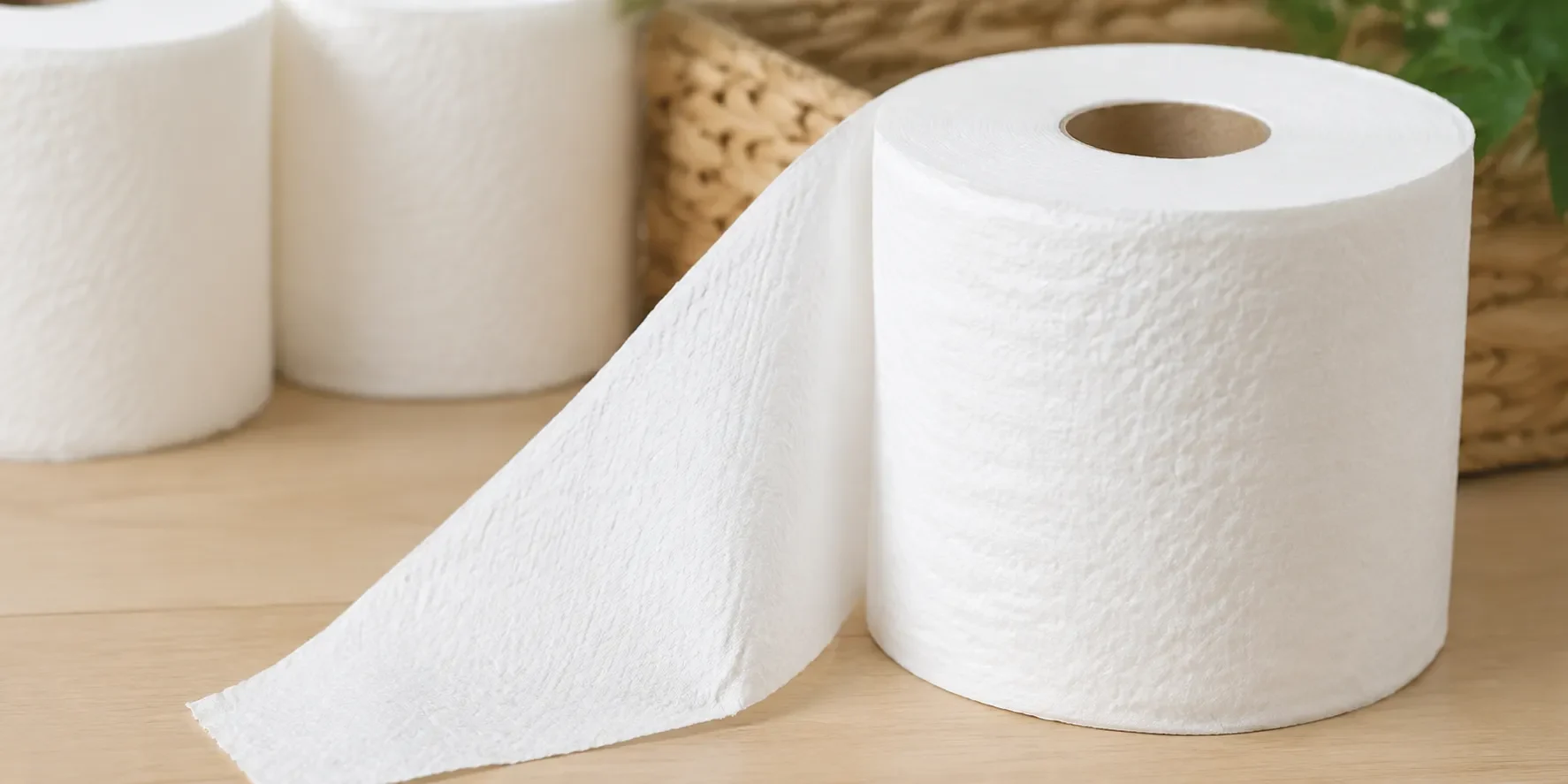
Dry toilet paper is the standard bathroom tissue used for everyday personal cleaning. It is designed to absorb moisture, wipe away residue, and break down quickly in water, making it suitable for most toilets, sewer lines, and septic systems.
Dry toilet paper is usually made from virgin wood pulp, recycled fiber, bamboo pulp, or a blend of materials.Quality depends on softness, strength, absorbency, ply count, embossing, and how quickly the sheet disperses after flushing. Quality depends on softness, strength, absorbency, ply count, embossing, and how quickly the sheet disperses after flushing.
For homes, hotels, offices, schools, and commercial washrooms, dry toilet paper remains the most practical choice because it is easy to store, simple to use, and compatible with most plumbing systems.
Main Advantages of Dry Toilet Paper
Plumbing safety
Dry toilet paper breaks apart faster in water than wet wipes. This is why plumbers and wastewater authorities usually recommend dry toilet paper as the safest flushable bathroom product.
If you have older plumbing, narrow pipes, low-flow toilets, or a septic tank, dry toilet paper is the lower-risk option. A fast-dissolving toilet paper helps reduce blockages and pipe buildup.
Lower cost
Dry toilet paper costs less per use than wet toilet paper. For families, hotels, offices, and bulk buyers, this difference becomes significant over time.
| Use Scenario | More Cost-Efficient Choice | Why |
|---|---|---|
| Family bathroom | Dry toilet paper | Lower cost per sheet |
| Office restroom | Dry toilet paper | Easier bulk supply |
| Hotel guest room | Dry toilet paper | Standard hygiene expectation |
| Travel pack | Wet toilet paper | Better portability for final clean |
| Sensitive skin care | Wet toilet paper | Less friction |
Everyday convenience
Dry toilet paper is available almost everywhere: supermarkets, convenience stores, airports, restaurants, hotels, workplaces, and public restrooms. It also stores well because it does not require moisture protection once packaged properly.
For buyers managing large facilities, this reliability matters. You need a product that is easy to stock, easy to dispense, and accepted by nearly every user.
Disadvantages of Dry Toilet Paper
Dry toilet paper has weaker cleaning performance because it relies mainly on friction. It may leave residue, especially after bowel movements, and it does not remove microscopic particles as effectively as moisture-based cleaning.
Rough or low-quality paper can also irritate the skin. Excessive wiping may cause redness, itching, discomfort, or small skin fissures, particularly for people with sensitive skin, hemorrhoids, diarrhea, or postpartum recovery needs.
Traditional toilet paper production can also have an environmental cost if it depends heavily on virgin wood pulp, high water use, and non-certified forestry. Buyers should look for responsible sourcing, biodegradable options, recycled fibers, or bamboo-based alternatives where appropriate.
What Is Wet Toilet Paper?
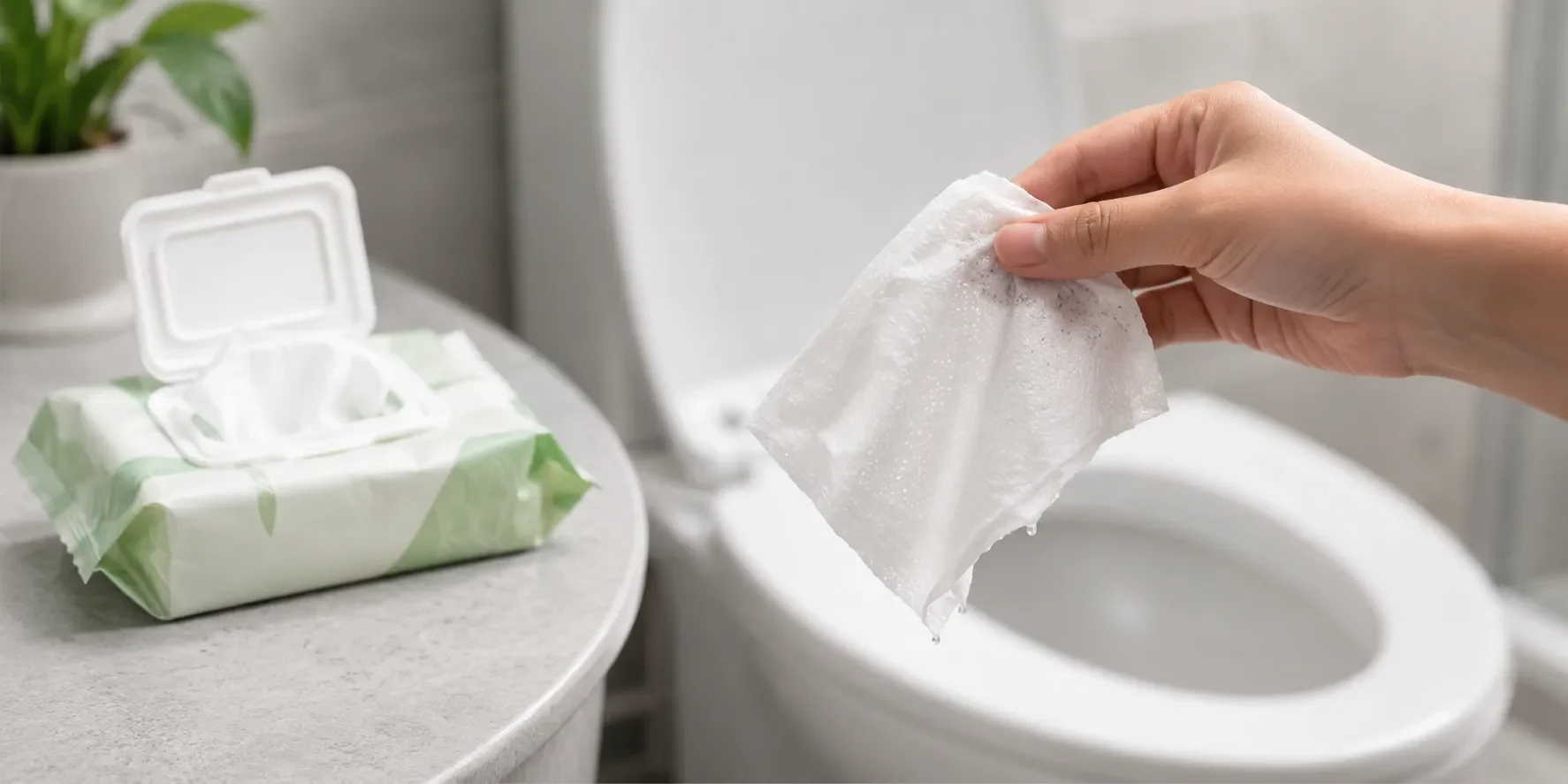
Wet toilet paper, often called flushable wet wipes, is pre-moistened tissue designed for bathroom hygiene. It is made to clean more thoroughly than dry toilet paper and, unlike baby wipes, is usually engineered to disperse more quickly in water.
Wet toilet paper is commonly used after dry wiping for a fresher finish. It can be helpful at home, during travel, after exercise, during menstruation, after childbirth, or when skin is sensitive.
However, wet toilet paper should be used carefully. Even products labeled “flushable” may not break down fast enough for every plumbing system.
Main Advantages of Wet Toilet Paper
Better hygiene performance
Wet toilet paper removes residue more effectively than dry toilet paper alone because moisture helps lift and dissolve material from the skin. For users who want a cleaner feeling without showering, wet toilet paper is often preferred.
Some wet toilet paper products are marketed as removing up to 99% of bacteria and stubborn residue, depending on formulation and testing standards. For accurate claims, you should always check the product label and testing data.
Gentler on sensitive skin
Wet toilet paper reduces rubbing, which can make it more comfortable for sensitive skin. It is often used by people with hemorrhoids, irritation, postpartum discomfort, or skin dryness.
If you are prone to allergies, choose fragrance-free, alcohol-free, and dermatologically tested wet toilet paper. Avoid heavily scented products or low-grade preservatives that may trigger irritation.
No paper lint or tearing
Unlike some dry toilet paper, wet toilet paper is less likely to leave lint or break apart during use. This can improve comfort and reduce the need for repeated wiping.
For users who dislike residue from dry tissue, wet toilet paper offers a cleaner finish and a smoother bathroom experience.
Disadvantages of Wet Toilet Paper
Wet toilet paper can create plumbing risks. Even when labeled “flushable,” some wipes do not disperse quickly enough in real sewer conditions, especially in old pipes, septic tanks, or low-water flushing systems.
It also costs more per use than dry toilet paper. For high-traffic bathrooms, large households, hotels, and commercial facilities, replacing dry toilet paper with wet toilet paper completely can increase supply costs.
Some wet toilet paper may contain fragrance, preservatives, or cleansing agents that irritate sensitive skin. If discomfort appears after use, stop using the product and switch to a mild, fragrance-free option.
Is Wet Toilet Paper Really Flushable?
Wet toilet paper may be flushable if it passes recognized dispersibility standards, but it is not always safe for every toilet. If your plumbing is old, slow-draining, or connected to a septic system, throwing wet wipes in the trash is safer.
“Flushable” means the product is designed to pass through toilets and break down faster than standard wipes. It does not guarantee that the wipe will dissolve as quickly as dry toilet paper.
The safest habit is simple: flush only one wipe at a time if the product is certified flushable, never flush baby wipes, and avoid flushing wet toilet paper if you are unsure about your pipes.
| Product | Should You Flush It? | Plumbing Risk |
|---|---|---|
| Standard dry toilet paper | Yes | Low |
| Septic-safe dry toilet paper | Yes | Very low |
| Certified flushable wet toilet paper | Sometimes | Medium |
| Baby wipes | No | High |
| Cleaning wipes | No | Very high |
| Makeup wipes | No | Very high |
Which Is Better for Sensitive Skin?
Wet toilet paper is often better for sensitive skin because it reduces friction. Dry toilet paper can still work well if it is soft, unscented, and used gently. The best choice is usually fragrance-free wet toilet paper or premium soft dry toilet paper.
If you have hemorrhoids, fissures, postpartum soreness, or frequent irritation, rubbing with rough dry tissue can worsen discomfort. In these cases, moisture-based cleaning helps reduce repeated wiping.
Still, formula matters. Choose wet toilet paper without alcohol, strong fragrance, harsh preservatives, or unnecessary dyes. For dry toilet paper, choose soft, strong, low-lint tissue with a smooth surface.
Which Is Better for the Environment?
Dry toilet paper is usually easier to manage in wastewater systems, while wet toilet paper may create more waste and clogging risk. Environmentally responsible dry toilet paper made with recycled fiber, bamboo, or certified pulp is often the better option.
That said, not all dry toilet paper is automatically sustainable. Conventional tissue production can involve heavy wood, water, and energy use. The better choice is tissue from responsibly managed sources with efficient production and recyclable packaging.
Wet toilet paper creates additional concerns because it often uses synthetic binders, moisture-resistant materials, plastic packaging, and chemical preservatives. If it does not break down quickly, it may burden wastewater systems.
Dry Toilet Paper, Wet Toilet Paper, or Both?
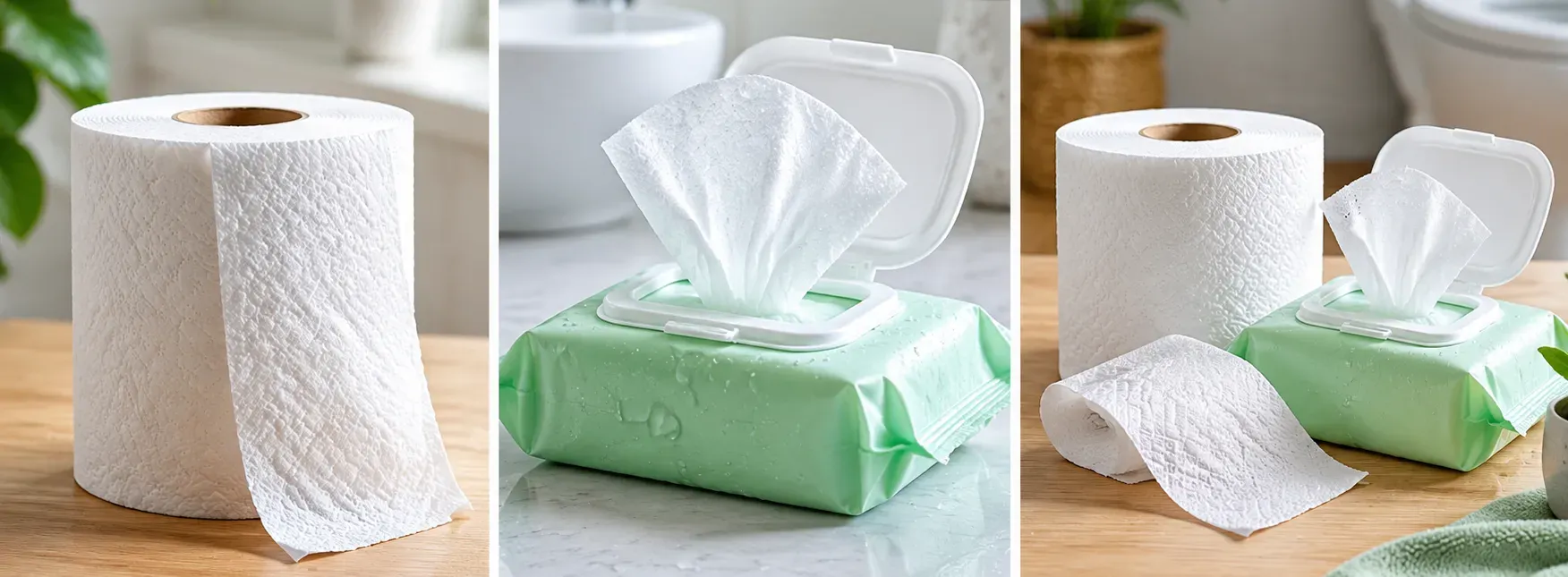
For most people, the best routine is to use dry toilet paper first, then wet toilet paper for final cleaning. This balances cost, hygiene, comfort, and waste control. If you have septic plumbing, use dry toilet paper only or dispose of wet wipes in the bin.
A hybrid method works because dry toilet paper removes most residue quickly, while wet toilet paper finishes the cleaning with less friction. You use fewer wet wipes, reduce cost, and lower the chance of flushing too much non-dispersed material.
How to Choose the Right Toilet Paper
Choose toilet paper based on your bathroom scenario, not only softness. A family bathroom, hotel, office, healthcare space, and public washroom each has different needs for comfort, cost, plumbing safety, and supply efficiency.
For home use, comfort and skin safety may matter most. For commercial use, fast dissolution, roll length, dispenser compatibility, and bulk cost are often more important.
At Liansheng Sempo, we manufacture tissue products for practical daily use, including bathroom tissue solutions designed for softness, strength, absorbency, and reliable performance. For distributors, hotels, retailers, and private-label buyers, consistent quality matters as much as price.
| Scenario | Recommended Product |
|---|---|
| Standard home bathroom | Soft dry toilet paper + optional wet toilet paper |
| Septic system | Septic-safe dry toilet paper |
| Sensitive skin | Fragrance-free wet toilet paper or premium soft dry toilet paper |
| Public restroom | Fast-dissolving dry toilet paper |
| Hotel bathroom | Soft 2-ply or 3-ply dry toilet paper |
| Elderly care | Soft dry toilet paper + gentle wet toilet paper |
| Travel | Pocket wet toilet paper |
What Should You Look for on the Package?
Check the package for fiber type, ply count, softness, strength, flushability, septic safety, fragrance, and certification. These details tell you more than marketing words like “ultra clean” or “premium feel.”
For dry toilet paper, look for quick-dissolving performance if you have older pipes or a septic tank. For wet toilet paper, look for recognized flushability testing and skin-safe formulation.
Avoid flushing any wipe if the label is unclear. When in doubt, bin it.
| Label | Meaning |
|---|---|
| Septic-safe | Designed to break down in septic systems |
| Flushable | Intended to pass through toilets, but still use caution |
| Biodegradable | Can break down under certain conditions |
| FSC-certified | Fiber from responsibly managed forests |
| Fragrance-free | No added perfume |
| Alcohol-free | Less likely to dry or sting skin |
| Dermatologically tested | Tested for skin compatibility |
Conclusion
Dry toilet paper is the better everyday choice for cost, plumbing safety, septic compatibility, and broad availability. Wet toilet paper is better when you need extra cleanliness, comfort, and reduced friction. If you want both hygiene and practicality, use dry toilet paper first and wet toilet paper only for the final clean.
If you are sourcing dry toilet paper, bathroom tissue, or related tissue products, contact Liansheng Sempo to discuss specifications, packaging, bulk supply, and product development for your market.
FAQ
Is wet toilet paper better than dry toilet paper?
Wet toilet paper cleans more thoroughly and feels gentler, but dry toilet paper is cheaper, easier to flush, and safer for plumbing.
Can you flush wet toilet paper?
You can flush certified flushable wet toilet paper in some systems, but it may still clog old pipes or septic tanks. If unsure, throw it in the bin.
Do plumbers recommend flushable wipes?
Many plumbers advise against flushing wipes, even flushable ones, because they often break down more slowly than dry toilet paper.
Is dry toilet paper hygienic enough?
Dry toilet paper is acceptable for everyday hygiene, but it may leave more residue than wet toilet paper or water-based cleaning.
Is wet toilet paper safe for sensitive skin?
Wet toilet paper can be safe for sensitive skin if it is fragrance-free, alcohol-free, and dermatologically tested.
What is the most hygienic way to wipe?
A common hygienic method is dry toilet paper first, then wet toilet paper or water-based cleaning for the final clean.
Are baby wipes the same as wet toilet paper?
No. Baby wipes are usually stronger and slower to break down, so they should not be flushed.
Is toilet paper bad for septic tanks?
Most dry toilet paper is septic-safe if it dissolves quickly. Thick, slow-dissolving paper and wet wipes are more likely to cause problems.
What can I use instead of wet wipes?
You can use a bidet, smart toilet seat, peri bottle, or soft dry toilet paper with water for a cleaner result without flushing wipes.
Which toilet paper dissolves fastest?
Septic-safe, single-ply, and fast-dissolving toilet paper usually breaks down faster than thick multi-ply tissue.


