
Japan does not use as much toilet paper as many people assume. The average person in Japan uses about 91 rolls of toilet paper per year, which is lower than the United States at about 141 rolls, Germany at 134 rolls, and the United Kingdom at 127 rolls. The confusion comes from Japan’s high overall tissue paper consumption, especially facial tissue.
Seasonal cedar pollen allergies, pocket tissue advertising, smart toilets, and plumbing standards all shape how paper products are used in daily life.
Key takeaways:
- Japan’s toilet paper use is moderate compared with several Western countries.
- Japan uses a large amount of facial tissue, mainly because of hay fever and daily hygiene habits.
- Smart toilets reduce the need for heavy wiping, so toilet paper is often used for drying.
- Japanese toilet paper is usually thinner and more water-soluble to protect plumbing.
- Free pocket tissues handed out in public keep tissue products highly visible in Japanese life.
Japan Does Not Use More Toilet Paper Than Most People Think
Japan’s toilet paper consumption is often misunderstood because people mix up toilet paper with facial tissue. If you look only at toilet paper, Japan is not the highest-consuming country. You are more likely seeing Japan’s strong tissue culture overall, not unusually high toilet paper use.
| Country | Estimated Toilet Paper Use Per Person Per Year | General Pattern |
|---|---|---|
| United States | 141 rolls | Heavy toilet paper use |
| Germany | 134 rolls | High household paper use |
| United Kingdom | 127 rolls | High toilet paper use |
| Japan | 91 rolls | Moderate toilet paper use, high facial tissue use |
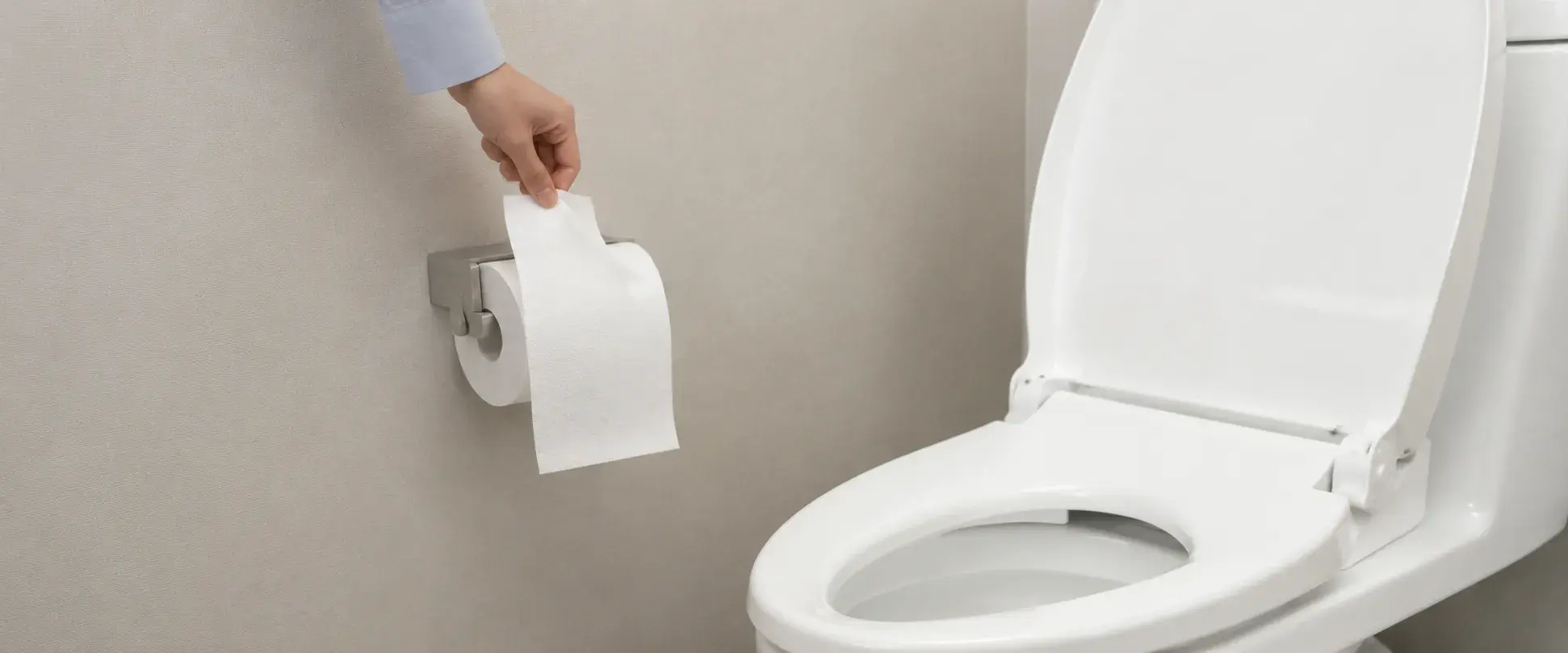
The number matters because it changes the answer to the question, “Why does Japan use so much toilet paper?” The more accurate question is: why does Japan use so many paper tissues? In bathrooms, Japan’s use of toilet paper is controlled by smart toilets, compact plumbing, and paper designed to dissolve quickly. Outside bathrooms, facial tissue use is much higher because people carry pocket tissues, use them during allergy season, and receive them for free in busy public areas.
Toilet paper and facial tissue may look similar to a casual buyer, but they serve different use scenarios. In Japan, product design is closely linked to the place of use: bathroom, train station, office, school, hotel, or home.
Why Facial Tissue Use Is So High In Japan
Japan has one of the world’s highest per-capita facial tissue consumption levels. The main driver is seasonal cedar pollen allergy, known in Japan as hay fever or “kafunsho.” When pollen levels rise, people use facial tissue throughout the day for sneezing, runny noses, and allergy care.
Cedar Pollen Allergy Drives Daily Tissue Demand
Cedar pollen season is a major part of life in Japan. Many people deal with symptoms while commuting, working, shopping, or attending school. In these scenes, facial tissue is not a bathroom product; it is a daily carry item.
You may notice this most clearly in spring, when drugstores, convenience stores, and supermarkets promote soft facial tissue, lotion tissue, and pocket tissue packs. Consumers often choose tissue based on softness because frequent nose wiping can irritate the skin. This is one reason Japan’s tissue market pays close attention to touch, absorbency, and packaging size.
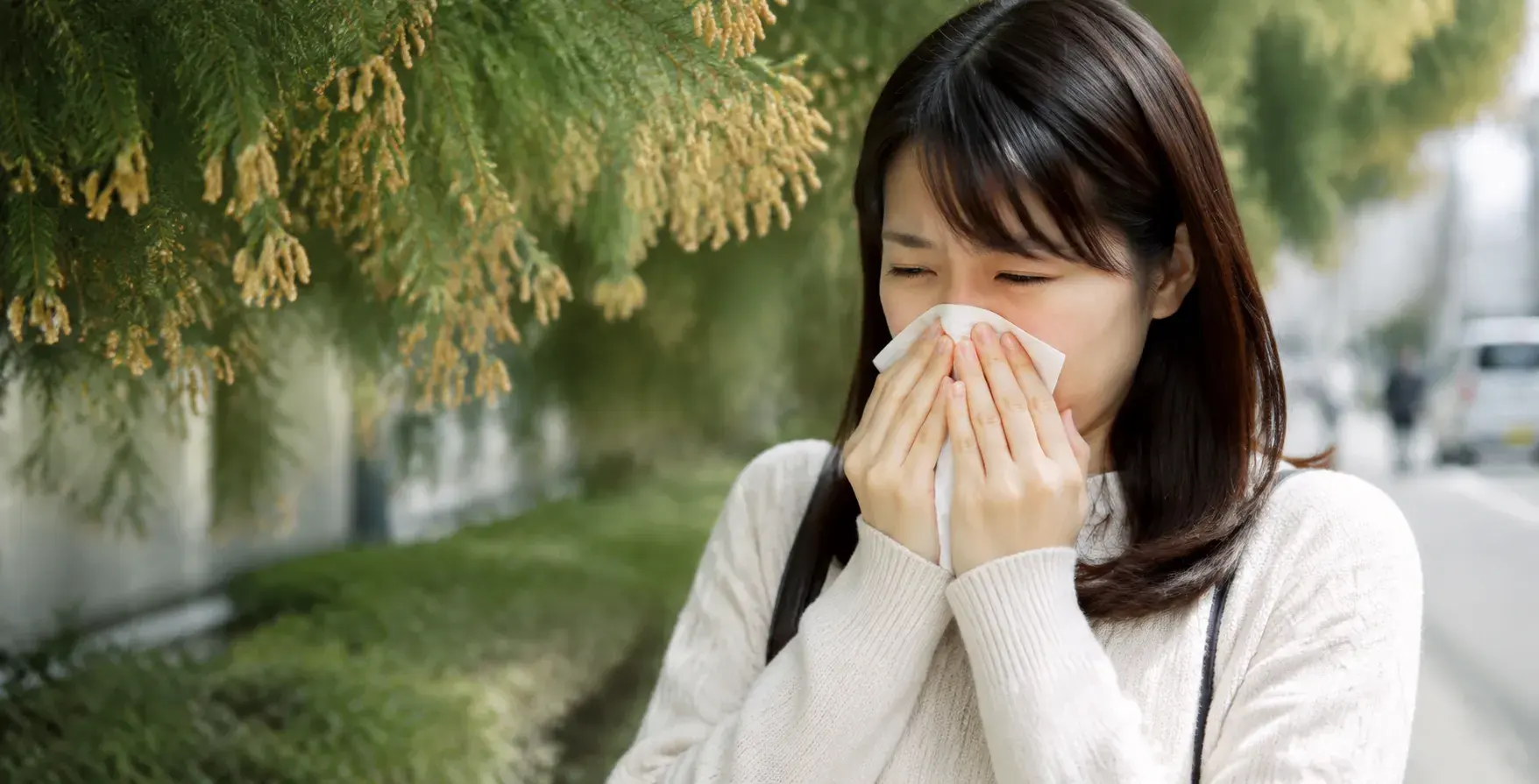
This means Japanese paper tissue demand is not only about volume. It is also about comfort. A tissue that feels acceptable for occasional use may not be good enough for allergy season, when you use it dozens of times a day.
Pocket Tissue Fits Commuting And Public Life
Japan’s commuting culture also supports high tissue use. People spend time on trains, in stations, in offices, and in compact public spaces where carrying a small tissue pack is practical.
Pocket tissue is easy to store in a bag, coat pocket, school pouch, car console, or desk drawer. This makes it more convenient than relying on public restroom supplies or napkins from restaurants. In a city setting, convenience often decides product use.
Smart Toilets Change How Toilet Paper Is Used
Smart toilets are common in Japan, and more than 80% of Japanese households are reported to have advanced toilet seats or integrated smart toilets. Because washing functions handle most of the cleaning, many people use toilet paper mainly to dry, not to clean deeply.
Washing Reduces Heavy Wiping
A smart toilet typically uses a water spray, adjustable pressure, heated seats, and drying functions. In a home bathroom, hotel bathroom, or office restroom, this changes the role of toilet paper.
Instead of using many sheets for cleaning, you may use fewer sheets after the wash function. Some people still prefer toilet paper for a final wipe or drying, but the amount can be lower than in countries where dry wiping is the standard method.
Drying Still Requires Toilet Paper
Even with smart toilets, toilet paper remains necessary. Built-in air dryers may take time, may not be strong enough for every user, or may not be available in every restroom. Toilet paper is still the quickest drying option.
This creates a different product requirement. Japanese toilet paper must be soft enough for direct skin contact but also designed to break down quickly after flushing. The balance between comfort and flushability matters more than thickness alone.
For hotels, offices, public facilities, and residential buildings, the ideal toilet paper is not simply the thickest roll. It is the roll that performs well without creating plumbing problems.
Japanese Toilet Paper Is Made To Dissolve Quickly
Japanese toilet paper is usually thinner and more water-soluble than many American-style toilet papers. This is because it must move smoothly through plumbing systems after flushing. The goal is comfort, clean tearing, and fast breakdown in water.
Plumbing Requirements
Japan’s buildings often have compact bathrooms and plumbing systems where flushability is critical. Toilet paper that does not dissolve quickly can increase the risk of blockage, especially in older buildings, busy public restrooms, hotels, and transport facilities.
This is why Japanese toilet paper is commonly designed with fast disintegration in mind. It may feel lighter than thick Western toilet paper, but that does not mean it is low quality. It is engineered for a different bathroom system.
A roll made for the U.S. market may focus on cushion and strength. A roll made for Japan may focus on softness, quick dissolution, and reliable flushing.
Flushability
Flushability is not a marketing claim; it is a practical requirement. If toilet paper blocks pipes, the cost is paid through maintenance, complaints, and downtime.
This is especially important in commercial use scenes such as hotels, shopping centers, train stations, airports, office buildings, and restaurants. High traffic means every product failure becomes more visible.
Free Pocket Tissue Advertising
Free pocket tissue distribution is a familiar part of Japanese street life. Businesses hand out branded tissue packs near train stations, shopping streets, and busy crossings. This keeps facial tissue available and reinforces the habit of carrying it.
Why Companies Hand Out Tissue Instead Of Flyers
A flyer is often thrown away. A pocket tissue pack is useful, so people are more likely to accept it and keep it. For advertisers, this makes tissue a practical media format.
You may see pocket tissues printed with ads for restaurants, clinics, language schools, real estate agencies, beauty salons, and local services. The tissue pack works because it has everyday value. It sits in a bag or desk and exposes the user to the brand more than once.
This habit also supports tissue consumption. When people regularly receive free tissue packs, facial tissue becomes part of daily preparation, not only something purchased for illness.
Public Distribution Supports Portable Packaging
Free tissue advertising also affects packaging expectations. The pack must be small, clean, light, and easy to open. It must protect the tissue while still giving enough surface area for branding.
This is different from household facial tissue boxes, where softness, sheet count, and box design may matter more. In the street advertising scene, portability and print quality become part of the product value.
Toilet Paper Vs Facial Tissue In Japan
To understand paper use in Japan, you need to separate toilet paper from facial tissue. They are used in different places, designed for different tasks, and judged by different quality standards.
| Product | Key Performance Need | Common Scene | |
|---|---|---|---|
| Toilet paper | Fast dissolving, softness, flushability | Homes, hotels, offices, public restrooms | |
| Facial tissue | Softness, absorbency, skin comfort | Homes, schools, offices, commuting | |
| Pocket tissue | Compact pack, clean dispensing, print area | Train stations, bags, events, retail areas | |
| Lotion tissue | Extra softness, reduced irritation | Cedar pollen season, cold season |
Conclusion
Japan does not use unusually high amounts of toilet paper compared with countries such as the United States, Germany, or the United Kingdom. The stronger pattern is Japan’s high use of facial tissue, driven by cedar pollen allergies, commuting habits, pocket tissue advertising, and a culture that values clean, convenient paper products.
If you need toilet paper, facial tissue, pocket tissue, or customized tissue products for retail, hotel, office, or promotional use, contact Liansheng Sempo. Our team can help you match softness, flushability, packaging, and cost to the market you serve.
FAQ
Does Japan Use A Lot Of Toilet Paper?
Japan uses a moderate amount of toilet paper. The average person uses about 91 rolls per year, which is lower than the United States, Germany, and the United Kingdom.
Why Do Japanese People Use So Many Tissues?
Japanese people use many facial tissues because cedar pollen allergy is common, pocket tissues are easy to carry, and free tissue packs are often handed out in public areas.
Do Japanese Toilets Use Toilet Paper?
Yes. Japanese toilets still use toilet paper, but many people use it mainly for drying after using a smart toilet wash function.
Can You Flush Toilet Paper In Japan?
Yes. In most Japanese toilets, you can flush toilet paper. Japanese toilet paper is usually made to dissolve quickly and reduce the risk of pipe blockage.
Why Is Japanese Toilet Paper Thin?
Japanese toilet paper is often thinner because it is designed to break down quickly in water. This helps protect plumbing systems and supports reliable flushing.
Do Japanese People Use Bidets Instead Of Toilet Paper?
Many Japanese households use smart toilets with bidet-style washing functions, but toilet paper is still commonly used for drying or a final wipe.
Why Are Tissues Handed Out In Japan?
Businesses hand out pocket tissues as advertising because people are more likely to keep and use tissues than paper flyers.
Is Facial Tissue The Same As Toilet Paper?
No. Facial tissue is made for the nose and face, while toilet paper is made for bathroom use and must dissolve quickly after flushing.


