
Toilet paper does not technically expire. In normal conditions, a dry roll can last for years without going “bad” in the way food does.
Toilet paper is still a paper product, and paper can weaken over time if it is exposed to moisture, heat, dust, sunlight, or poor storage conditions. A roll that has been kept in a cool, dry place will usually stay usable for a very long time, while a roll stored in a humid bathroom may become soft, brittle, yellowed, or even moldy.
If the roll still looks normal, feels intact, and smells dry, it is generally fine. If it shows signs of moisture damage or contamination, it should be replaced.
Key Takeaways
-
Toilet paper does not have a formal expiration date.
-
Properly stored rolls can remain usable for a very long time.
-
Humidity, sunlight, and dust are the main factors that reduce paper quality.
-
Old toilet paper should be checked for yellowing, brittleness, mold, or musty odor.
-
Airtight storage in a cool, dry place helps preserve softness and strength.
What Affects Toilet Paper Shelf Life?
Toilet paper lasts a long time, but its quality depends on how it is stored. The biggest risks are moisture, heat, light, and dust. These factors do not usually “expire” the paper in a strict sense, but they can reduce its strength, softness, and cleanliness.
In real use, the storage environment matters more than the calendar. A sealed roll kept in a dry closet can stay in good condition for years, while the same roll left in a humid bathroom may weaken much faster. This is an important part of product handling because paper quality is closely tied to storage conditions.
Main Factors That Shorten Shelf Life
| Factor | What It Does | Result |
|---|---|---|
| Humidity | Adds moisture to the fibers | Paper becomes softer, weaker, or warped |
| Damp storage areas | Creates constant exposure to water vapor | Higher risk of mold and odor |
| Direct sunlight | Breaks down fiber quality over time | Yellowing and surface weakening |
| Dust and airborne particles | Contaminate the outer layers | Reduced cleanliness and appearance |
| Heat | Speeds up drying and fiber stress | Paper can become more brittle |
Why Humidity Matters Most
Humidity is the most common reason toilet paper loses quality. Paper naturally absorbs moisture from the air, especially in bathrooms, basements, and storage rooms without ventilation. Once that happens, the fibers can swell, lose structure, and tear more easily during use.
This is why commercial toilet paper storage should always be managed carefully. In hotels, offices, and food service facilities, keeping toilet paper in a dry supply room is a simple but effective way to protect product performance.
Sunlight And Air Exposure
Sunlight can cause visible yellowing and make the paper look aged even when it has not been used. Long exposure to air can also collect dust on the outer wrap or exposed edges. Over time, this can reduce the product’s visual quality and make it less suitable for clean display or premium restroom use.
Storage Conditions That Help Paper Last Longer
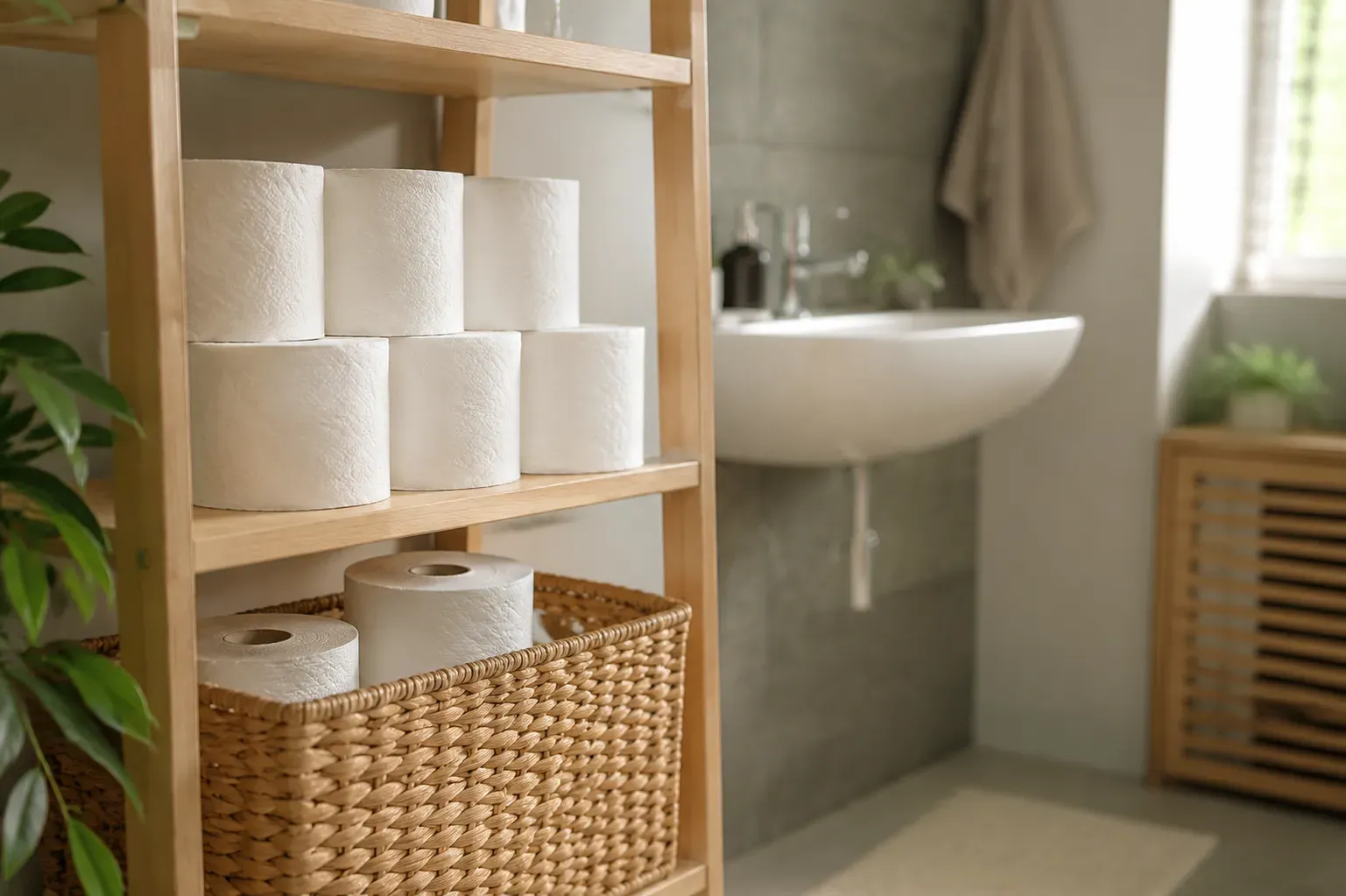
Toilet paper performs best when it is stored in sealed packaging, away from moisture, and in a stable indoor environment. For bulk storage, a closed shelf, cabinet, or dry warehouse zone is better than an open bathroom shelf or an area near sinks and showers.
How To Tell If Toilet Paper Has Gone Bad
Even though toilet paper does not expire in the traditional sense, old or poorly stored rolls can still become unusable. The easiest way to judge a roll is by checking its appearance, texture, and smell. If any of these signs show moisture damage or contamination, the roll should not be used.
This is a practical quality check. Toilet paper should remain clean, dry, and intact. Once it starts to look or feel unstable, it no longer performs the way it should.
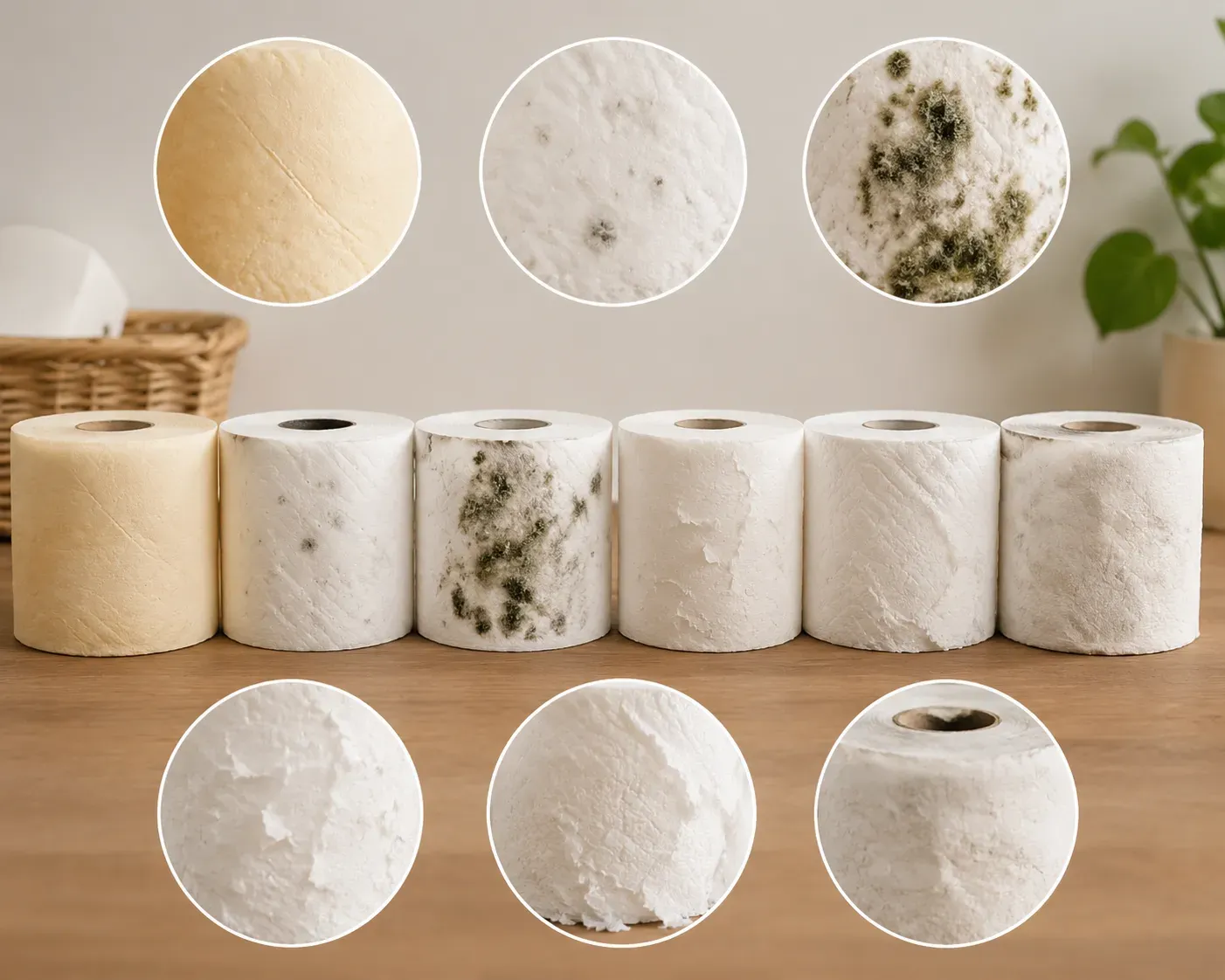
Signs To Inspect
| Sign | What To Look For | What It Means |
|---|---|---|
| Yellowing | Paper has turned dull or aged in color | Long exposure to light or air |
| Dark spots | Small marks or stains on the roll | Possible moisture damage or contamination |
| Mold | Visible fuzzy or discolored growth | The roll has been exposed to damp conditions |
| Brittle texture | Paper feels stiff, dry, or crumbly | Fibers have degraded |
| Rough feel | Paper loses its normal softness | Quality has declined |
| Musty smell | Damp, stale, or unpleasant odor | Moisture has likely entered the roll |
Visual Inspection
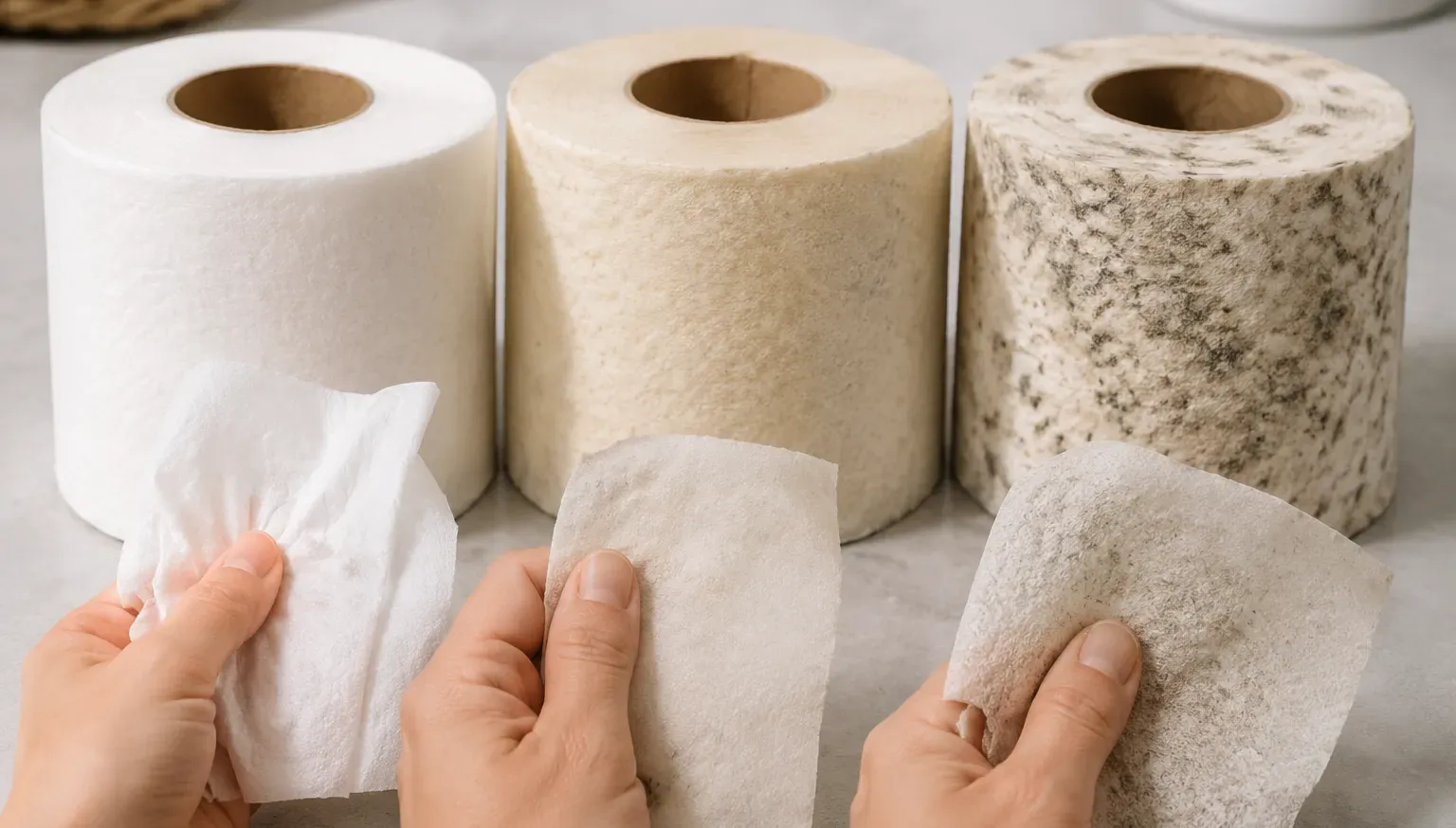
The first thing to check is the surface of the roll. Clean toilet paper should look white or naturally off-white, depending on the product type. If the roll has turned yellow, has grayish patches, or shows visible spotting, it may have been exposed to poor storage conditions.
Dark spots are especially important. They can indicate dirt, water exposure, or mold growth. Any roll with visible mold should be discarded immediately.
Texture Check
A normal roll should still feel soft and flexible. If the paper feels brittle, stiff, or crumbles when you touch it, the fibers have likely dried out or deteriorated. That kind of paper may tear too easily during use and is not suitable for hygiene applications.
Smell Test
Toilet paper should not have a strong smell. If it smells damp, musty, or stale, that usually means it has absorbed moisture from its environment. In that case, even if the roll still looks acceptable, it is safer to replace it.
When To Throw It Away
If toilet paper shows mold, heavy discoloration, a strong odor, or obvious loss of integrity, it should be discarded. Toilet paper is a hygiene product, so once its cleanliness is uncertain, it should no longer be used.
Storage Practices For Toilet Paper
The best way to keep toilet paper in good condition is to store it in a dry, cool, and sealed environment. Since toilet paper is a paper-based hygiene product, its shelf life is mostly affected by moisture and exposure, not time alone. Good storage protects softness, strength, and cleanliness.
For homes, hotels, offices, and distribution storage, Keep the rolls away from water, steam, dust, and direct sunlight. If the product stays dry and sealed, it can remain usable for a very long time.
Storage Conditions
| Storage Condition | Why It Helps | Best Practice |
|---|---|---|
| Cool temperature | Reduces fiber stress | Store in an indoor space with stable temperature |
| Low humidity | Prevents moisture absorption | Use a dry closet, cabinet, or warehouse shelf |
| Sealed packaging | Protects from dust and air | Keep rolls in original wrapping until use |
| No direct sunlight | Prevents yellowing and weakening | Avoid windowsills or exposed shelves |
| Elevated storage | Avoids floor moisture | Place cartons on shelves or pallets |
Keep It Away From Bathrooms When Possible
Bathrooms are one of the worst places to store toilet paper long term. Steam from showers, splashes from sinks, and general humidity can slowly damage the outer layers of the roll. Even if the paper looks fine at first, repeated exposure to moisture can weaken the fibers.
For households, a linen closet or hallway cabinet is usually a better storage choice. For commercial buyers, a dry supply room is the safest option.
Use Original Packaging
Original plastic wrap or carton packaging helps protect toilet paper from dust and airborne moisture. If the pack has already been opened, it is better to keep the rolls in a sealed container or another clean, dry storage box.
This matters more for bulk storage. In factories, warehouses, and wholesale distribution, the outer packaging is part of product protection and should not be removed too early.
Avoid Damp Surfaces
Never place toilet paper directly on bathroom floors, under leaking sinks, or near wet walls. Paper can absorb moisture even without direct contact with water. Once that happens, the roll may lose softness or develop odor before it is even used.
Summary
Toilet paper does not expire in a strict technical sense, but it can still lose quality if it is stored in the wrong environment. Moisture, humidity, sunlight, and dust are the main reasons a roll becomes weak, yellowed, brittle, or unsafe to use. In most cases, the paper itself remains fine for years as long as it stays dry and properly sealed.
The safest approach is simple: keep toilet paper in a cool, dry place, away from bathrooms, sinks, and direct sunlight. If a roll shows mold, a musty smell, visible discoloration, or crumbling texture, it should be discarded immediately.
If your business needs stable, high-quality tissue products with reliable packaging and consistent performance, Liansheng Sempo can support your supply requirements with factory-direct production and professional service. Contact us to discuss toilet paper specifications, bulk orders, and customized packaging solutions.
We help customers source tissue products that are made for real storage conditions and real usage demands. If you are looking for a dependable toilet paper factory partner, Liansheng Sempo is ready to support your next order.
FAQ
1. Does paper expire?
Paper does not expire in the usual sense, but it can age, weaken, or discolor over time depending on storage conditions. Heat, light, and moisture are the main causes of damage.
2. What is the shelf life of toilet paper?
The shelf life of toilet paper is generally very long when it is kept dry and sealed. In proper storage, it can last for years without noticeable quality loss.
3. How long does toilet paper last in storage?
Toilet paper can last a long time in storage, often several years, if it is kept in a cool, dry place away from humidity and direct sunlight.
4. Does toilet paper go bad?
Yes, toilet paper can go bad if it is exposed to moisture, mold, or contamination. Signs include yellowing, brittleness, a musty smell, or visible spots.
5. What happens if you use expired toilet paper?
If toilet paper is only old but still clean and dry, it may still be usable. However, if it has become damp, brittle, moldy, or contaminated, using it can be unpleasant and unhygienic.
6. What happens if you use moldy toilet paper?
Moldy toilet paper should not be used. Mold means the product has been exposed to moisture and may contain contamination that is unsafe for hygiene use.
7. Does toilet paper dissolve?
Yes, toilet paper is designed to break down in water. However, not all toilet paper dissolves at the same speed, and thicker or stronger types may dissolve more slowly.
8. Does bamboo toilet paper expire?
Bamboo toilet paper can also last a long time if stored properly. Like regular toilet paper, it is mainly affected by humidity, dust, and moisture exposure rather than age alone.
9. What is the shelf life of tissue paper?
The shelf life of tissue paper is also long when stored correctly. Facial tissue, toilet tissue, and other paper tissues should be kept dry, sealed, and protected from sunlight.
10. Does facial tissue expire?
Facial tissue does not usually expire, but it can degrade if exposed to moisture or contamination. If it becomes damp, discolored, or dusty, it should be replaced.
11. Why does toilet paper have an expiration date?
Most toilet paper products do not have a strict expiration date, but some brands may print production or best-before information for inventory control, storage guidance, or quality tracking.
12. How long should a roll of toilet paper last for a woman?
There is no single answer because usage depends on personal habits, toilet type, and paper thickness. A roll may last anywhere from a few days to longer, depending on how much is used each time.
13. How long should a roll of toilet paper last for a family of 3?
For a family of three, roll usage varies widely based on lifestyle and bathroom habits. A busy household may use rolls faster than a household with lower daily usage, so exact timing is different for every family.
14. How long should a roll of toilet paper last for 2 people?
Two people may use a roll for several days or longer, depending on how often it is used and how much paper each person prefers. There is no universal standard because usage patterns are different.


